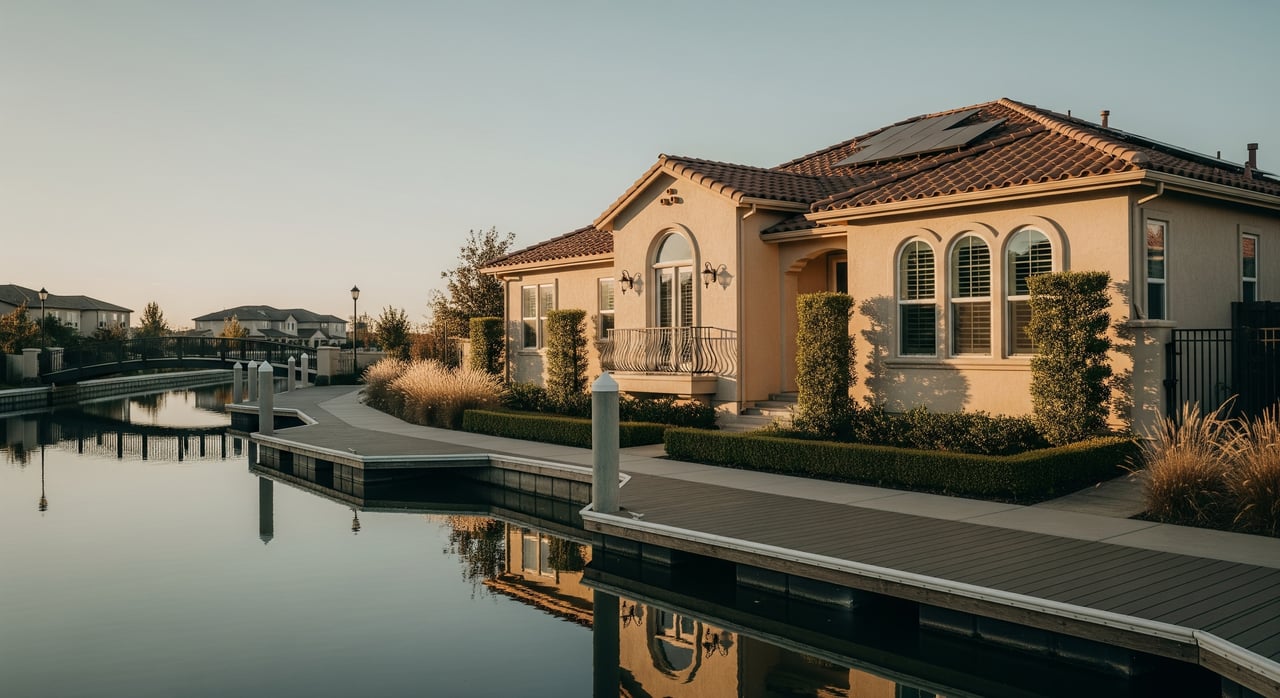
Buying in Tracy and wondering how much cash you need beyond your down payment? You are not alone. Closing costs can feel confusing until you see how the pieces fit together. In this guide, you will learn what closing costs include, how much buyers in Tracy typically pay, price-band examples, and local factors like Mello-Roos and HOA fees that can change your bottom line. Let’s dive in.
What closing costs cover
Closing costs are the one-time expenses you pay at escrow to finalize your purchase. They include lender charges, third-party services like title and escrow, county recording, inspections, and prepaid items such as property taxes and homeowners insurance. These are separate from your down payment.
Federal rules require your lender to send a Loan Estimate within three business days of your application and a Closing Disclosure at least three business days before you sign. These documents show your exact numbers.
How much you might pay
As a budgeting rule of thumb in California, buyers often see total closing costs and prepaids equal to about 2% to 5% of the purchase price. Your actual total can be lower or higher depending on your loan, timing, negotiations, and local fees. The largest single chunk is often the prepaids and escrow reserves for property taxes and insurance, not the lender or title fees.
Typical fees in Tracy
Lender fees
- Origination, processing, or administration: commonly 0.25% to 1.0% of the loan amount, or a flat fee such as $500 to $2,000.
- Underwriting: sometimes included in origination or listed as $400 to $900.
- Appraisal: typically $450 to $900 in the Bay Area and San Joaquin region, more for complex properties.
- Credit report: $25 to $75.
- Flood certification: $10 to $25.
- Points: optional; 1 point equals 1% of the loan amount to buy a lower rate.
- Small setup or courier-type charges: often $25 to $200 each.
Third-party and transaction fees
- Title and escrow services: buyer share often $500 to $2,500 depending on price and local practice.
- Title insurance: lenders require a loan policy that buyers usually pay; sellers often pay the owner’s policy in many California deals, but customs vary.
- Recording charges: commonly $100 to $300 in California for basic recording, higher if multiple documents are recorded.
- Home inspection: $300 to $800 depending on size and scope.
- Pest/termite inspection: $75 to $300; treatment is extra if needed.
- HOA document or transfer fees: $200 to $500 when a community association is involved.
- Home warranty (optional): $300 to $700 for the first year.
- Attorney fees: uncommon in most California transactions.
Prepaids and escrow reserves
- Property tax proration: you reimburse the seller for any taxes they prepaid, based on the closing date and the local tax schedule.
- First-year homeowners insurance: paid at closing to start coverage, typically $700 to $2,000 depending on the home and policy.
- Prepaid interest: daily interest from the day your loan funds until your first mortgage payment date.
- Impound account cushion: lenders often collect about two months of taxes and insurance to seed your escrow account.
Who usually pays what
- Buyers typically pay lender charges, the lender’s title policy, recording for the deed of trust, and all prepaids.
- Sellers often pay the owner’s title policy and may share escrow fees or transfer tax, but this varies by county and contract.
- Escrow fees can be split. Confirm the split and any seller-paid items in your purchase agreement.
Price-band examples for Tracy buyers
These are illustrative scenarios for financed purchases and do not include your down payment. Use your lender’s Loan Estimate and the title company’s estimated closing statement for exact numbers.
Example A: $500,000 purchase
- Low (about 2.0%): $10,000 total
- Lender fees and appraisal: $2,500
- Title, escrow, and recording: $2,000
- Inspections and pest: $500
- Prepaids and reserves: $5,000
- Typical (about 3.25%): $16,250 total
- Lender fees and appraisal: $3,500
- Title, escrow, and recording: $2,200
- Inspections and pest: $800
- Prepaids and reserves: $9,750
- High (about 4.5%): $22,500 total
- Lender fees and appraisal: $4,500
- Title, escrow, and recording: $2,500
- Inspections, pest, and repairs: $2,000
- Prepaids and reserves: $13,500
Example B: $800,000 purchase
- Low (about 2.0%): $16,000 total
- Lender fees and appraisal: $3,200
- Title, escrow, and recording: $2,500
- Inspections and pest: $700
- Prepaids and reserves: $9,600
- Typical (about 3.25%): $26,000 total
- Lender fees and appraisal: $5,200
- Title, escrow, and recording: $3,000
- Inspections and pest: $1,000
- Prepaids and reserves: $16,800
- High (about 4.5%): $36,000 total
- Lender fees and appraisal: $6,500
- Title, escrow, and recording: $3,500
- Inspections, pest, and repairs: $2,500
- Prepaids and reserves: $23,500
Example C: $1,200,000 purchase
- Low (about 2.0%): $24,000
- Typical (about 3.25%): $39,000
- High (about 4.5%): $54,000
Note how prepaids and reserves grow with price and timing. Appraisal and inspection fees are more fixed and matter less as price rises.
Seller credits and builder incentives
Seller credits are negotiated in your purchase contract and applied at closing to your allowed costs, prepaids, or discount points. They reduce your cash to close but cannot be used for your down payment. Builder incentives work similarly, and some builders prefer to offer credits for rate buydowns or closing costs rather than reduce price.
Typical lender limits vary by loan type. General industry guidance includes:
- FHA loans: seller concessions up to about 6% of the purchase price.
- VA loans: concessions for certain items are often capped around 4%.
- USDA loans: seller concessions often up to about 6%.
- Conventional loans: limits depend on down payment.
- Less than 10% down: often around 3%.
- 10% to 25% down: often up to 6%.
- 25% or more down: often up to 9%.
Ask your lender to confirm your program’s exact cap and how credits can be applied. You can also request a lender credit by accepting a slightly higher interest rate. That is different from a seller credit and is controlled by the lender’s pricing.
Tracy and San Joaquin specifics
Mello-Roos and special assessments
Many newer Tracy neighborhoods include Mello-Roos or other special district assessments. These add to your annual property taxes, increase your monthly escrow amount, and are prorated at closing based on the date you take title. Review disclosures and the Preliminary Title Report to confirm the exact amounts.
HOA dues and transfer items
If the home has an HOA, you may pay the first month’s dues at closing along with HOA transfer or document fees. These can be negotiated with the seller. Ask for the HOA fee schedule early so there are no surprises.
Recording and transfer taxes
San Joaquin County posts recording fees, and some California cities charge a documentary transfer tax. Policies can vary by city and transaction type. Your title and escrow team can confirm current rates for Tracy and estimate your share based on the contract.
Local title and escrow customs
Local title companies in Tracy can clarify who typically pays the owner’s title policy and how escrow fees are split. Customs vary by county and even by transaction, so it is smart to request an Estimated Closing Statement early.
How to reduce cash to close
- Request seller credits when market conditions allow.
- Consider a temporary or permanent rate buydown funded by a seller or builder credit.
- Compare Loan Estimates from at least two lenders to find competitive fees and pricing.
- Time your closing date to manage prepaid interest and escrow cushions when possible.
- Verify whether the seller will pay the owner’s title policy or share escrow fees.
Buyer checklist for Tracy
Use this quick list to keep your closing on track:
- Ask your lender for a detailed Loan Estimate and compare it with at least one other lender.
- Request an Estimated Closing Statement from your escrow/title company based on your contract.
- Confirm in writing any seller-paid items such as owner’s title policy, escrow split, or transfer tax.
- If the property has an HOA, request the HOA estoppel and fee schedule early and clarify who pays transfer and document fees.
- Review the Preliminary Title Report and disclosures for Mello-Roos or other assessments and verify the next billing date.
- Confirm appraisal timing and cost with your lender; the lender orders the appraisal, and you typically pay for it.
- If using seller credits or builder incentives, have your lender confirm program limits and how credits will be applied.
- Review your Closing Disclosure at least three days before signing and reconcile any changes.
Putting it all together
When you plan for closing in Tracy, focus on the full picture: lender fees, third-party costs, and especially prepaids and escrow reserves for taxes and insurance. With a realistic 2% to 5% estimate and a clear look at local items like HOA fees, recording charges, and possible Mello-Roos assessments, you can plan your cash to close with confidence.
If you want a calm, well-orchestrated closing, you will value a team that explains every line item and coordinates the details. For a tailored plan, curated lender introductions, and local title guidance, connect with Alex Levy for a White-Glove Consultation.
FAQs
How much cash do I need at closing in Tracy?
- Many buyers budget about 2% to 5% of the purchase price for closing costs and prepaids, with exact figures confirmed on your Loan Estimate and Closing Disclosure.
Can the seller pay my closing costs in Tracy?
- Yes, seller credits are common and must fit your loan program’s limits; your lender will confirm the maximum percentage and how credits can be applied.
What is the difference between lender fees and title/escrow fees?
- Lender fees are charged by your mortgage company for processing and underwriting your loan, while title and escrow fees cover settlement services, title insurance, and county recording.
When will I get exact closing cost numbers?
- Your lender must send a Loan Estimate within three business days of your application and a Closing Disclosure at least three business days before closing.
Do Mello-Roos or HOAs affect closing costs?
- Yes, they can add prorated taxes and first-month dues at closing and increase your ongoing escrowed payment; confirm amounts in the title report, disclosures, and HOA documents.
Are there transfer taxes in Tracy or San Joaquin County?
- Recording and transfer charges depend on county and city policies and your contract; your title/escrow team can confirm current rates and who pays what.