Thinking about River Islands but unsure what it really costs to live there each month? You are not alone. The lakes, trails, and on-site schools are a big draw, yet line items like HOAs and Mello-Roos can shift the budget more than you expect. In this guide, you will get a clear picture of prices, how the fees work, and what value you get for your money so you can decide with confidence. Let’s dive in.
What sets River Islands apart
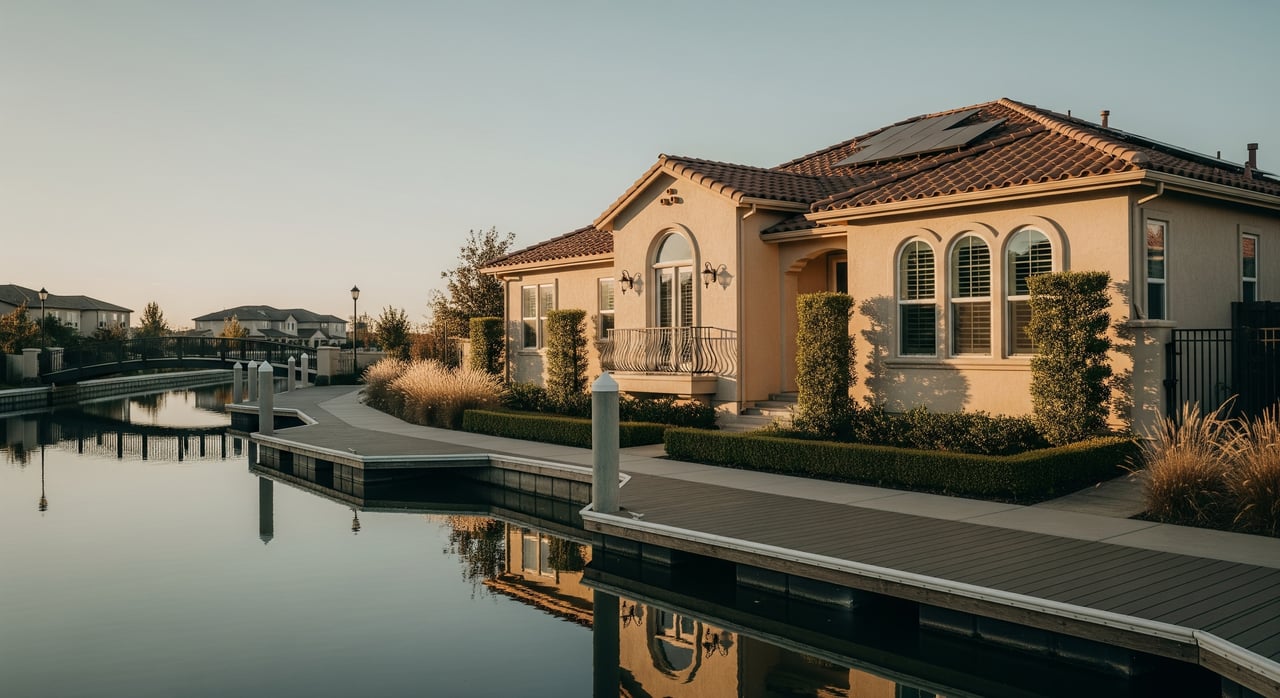
River Islands is a master-planned, lake-centric community on Lathrop’s west side with waterfront design, miles of trails, sports fields, and a boathouse-style dining spot. The developer highlights an active, outdoor lifestyle and on-site schools as core benefits. You can explore amenities like the lakes, boathouse, parks, and community events on the official River Islands Lifestyle page.
For many buyers coming from Bay Area markets, those features are the reason River Islands often carries higher monthly costs than a typical Central Valley subdivision. You are paying for a curated environment and daily access to water-focused recreation that many communities do not offer.
Current prices in River Islands
New construction ranges
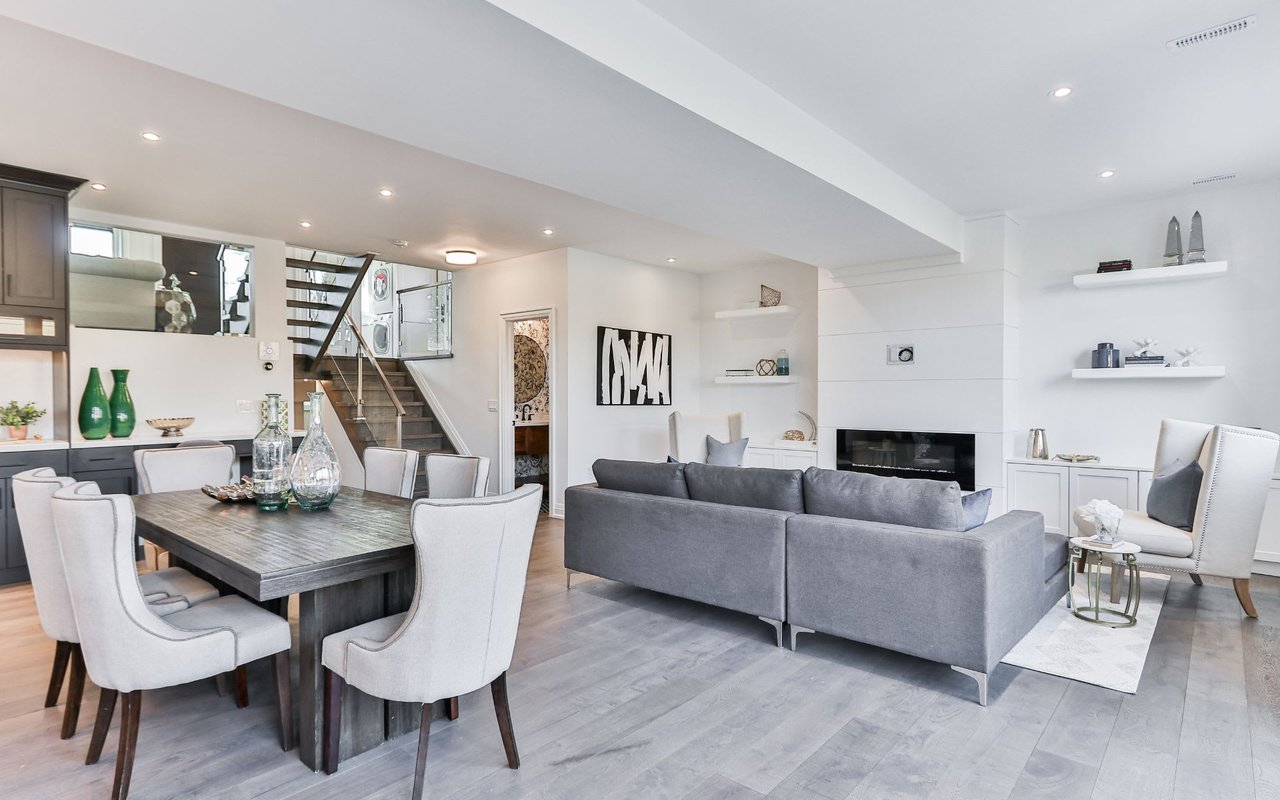
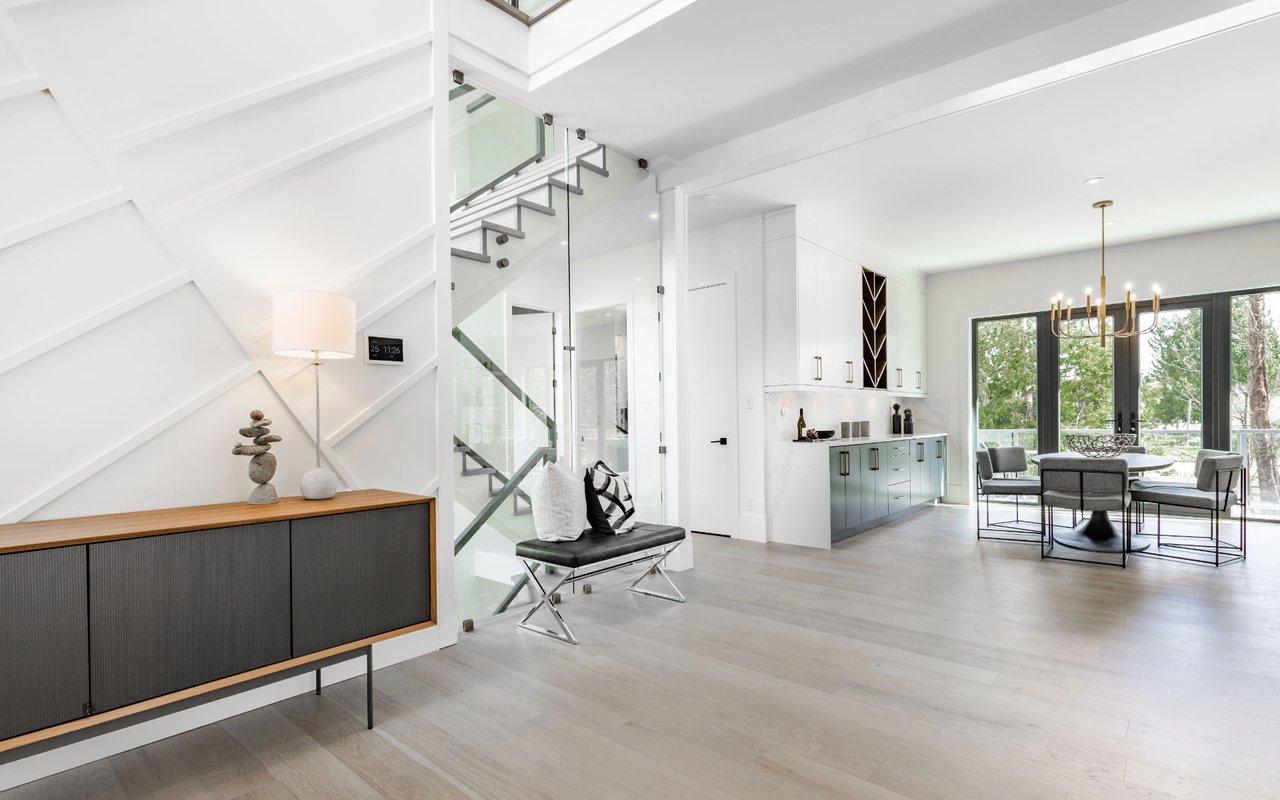
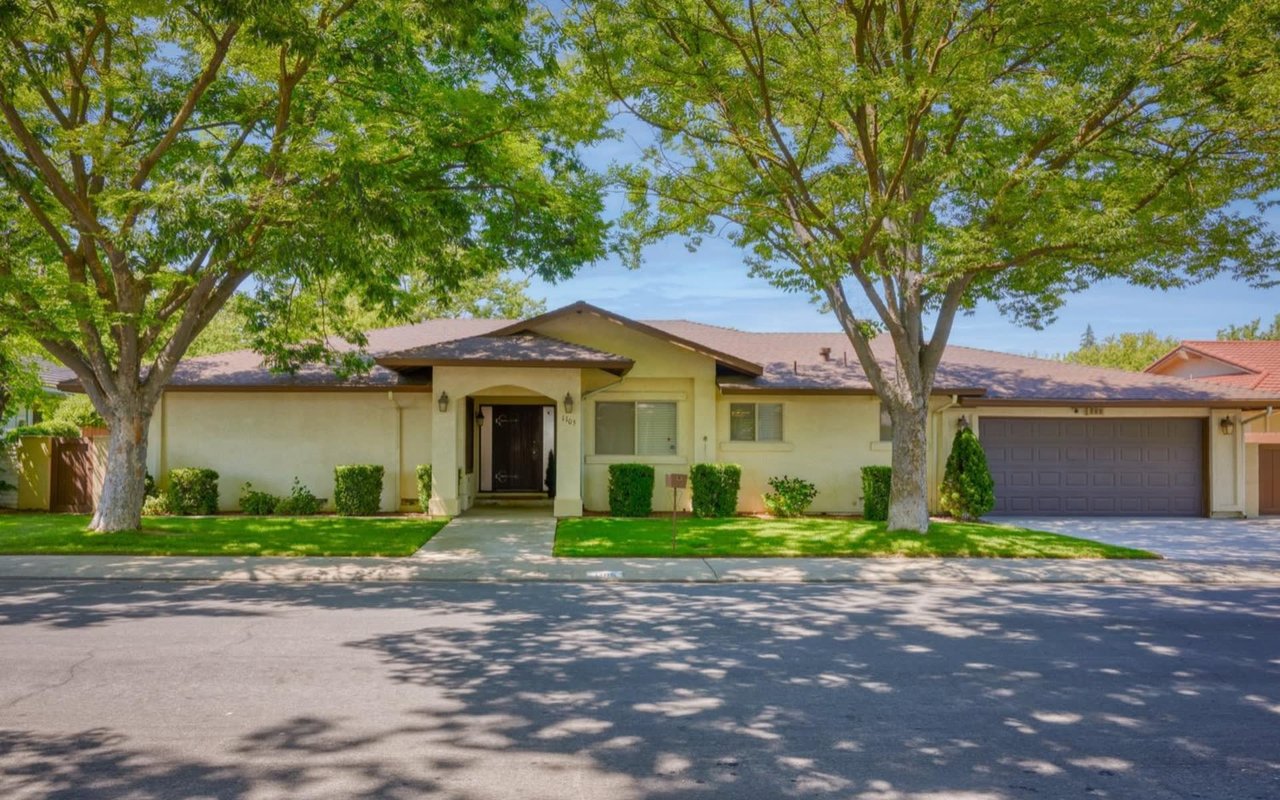
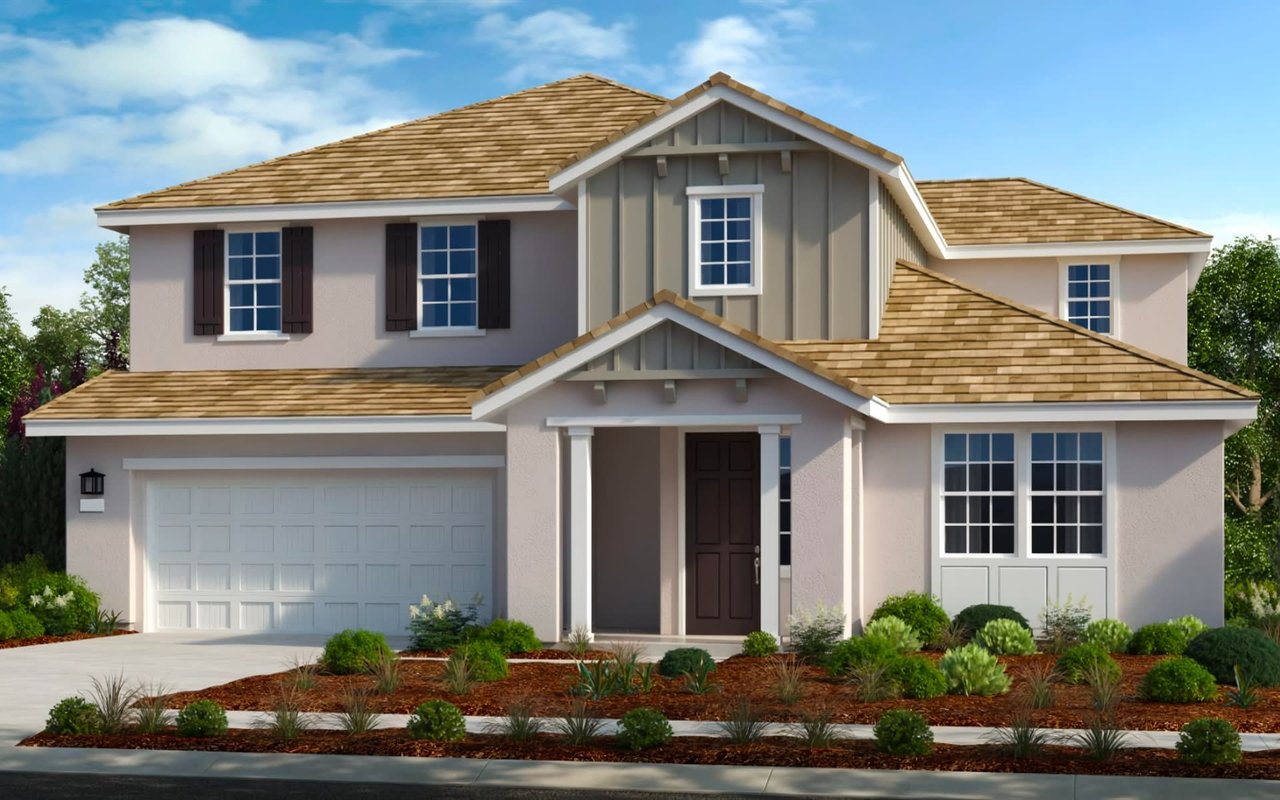
New-detached collections in River Islands from major builders often start in the mid 500s and run into the low 900s for typical 3 to 4 bedroom plans. Pricing moves with the builder, floor plan, and lot. For a live example of entry-to-mid product, review builder pages like Lennar’s Horizon at River Islands.
Recent neighborhood data also reported a median sale price near about $690,000 in January 2026 across a mix of product types. Treat the median as a starting point and compare by plan, lot type, and age when you get serious about a particular home.
Waterfront premium tiers
Waterfront and river-view enclaves, such as The Shores, typically trade at a higher tier, often at or above the one million dollar mark for larger homes and premium frontage. Expect a meaningful premium for true riverfront lots and greater square footage. If you are weighing value, always compare by sub-neighborhood and frontage type rather than by citywide averages.
What drives your monthly payment beyond the mortgage
Your principal and interest are only part of the River Islands picture. The following items can shift your monthly payment more than you might expect.
HOA structure and dues
River Islands uses a master association and, in some cases, sub-associations for certain neighborhoods or townhome/condo buildings. You might pay a single master fee, a master plus a sub-association fee, or in a few cases no sub fee at all. Public listings in the area often show examples near about 95 dollars per month for some single-family pockets and around 150 to 200 dollars or more for certain condo or townhome sub-associations.
What HOAs usually cover: common-area landscaping, trails, pools or shared amenities, common utilities, and management. Some townhome or condo subs may cover exterior maintenance or roofs. Before you remove contingencies, review the current budget, reserves, meeting minutes, and any pending special assessments.
Mello-Roos and Community Facilities District taxes
Parts of River Islands sit within Community Facilities Districts that issued bonds to build infrastructure. Those districts levy annual special taxes, commonly called Mello-Roos, which show as separate line items on the county tax bill. For structure and terms, see the River Islands Public Financing Authority documentation for CFD No. 2003-1 via the official formation and bond materials.
Amounts vary by phase, product, and improvement area. Two neighboring homes can have very different special taxes. Many buyers choose to escrow these taxes with the mortgage, which increases the monthly payment in the same way base property taxes do. If you want a step-by-step overview tailored to River Islands, read our local guide on how Mello-Roos works for Lathrop buyers.
Property tax basics under Prop 13
California’s base ad valorem property tax is about 1 percent of assessed value, plus any voter-approved local bonds and parcel assessments. The assessed value usually starts at your purchase price and can rise up to 2 percent per year until you sell or build new improvements. Use your purchase price to estimate the base tax, then add local bonds, assessments, and any applicable Mello-Roos for a full picture. See the Legislative Analyst’s Office explainer on property tax and local revenue mechanics.
Utilities and services to budget
- Electricity. Lathrop customers, including River Islands, are served by Ava Community Energy for generation, with PG&E delivering and billing. Ava reports savings versus PG&E’s generation charge since service began. Learn more from Ava Community Energy’s Lathrop update. As a planning range, typical California single-family bills often run about 150 to 400 dollars per month based on usage and home size. For a state price benchmark, see the U.S. Energy Information Administration’s California profile.
- Water and sewer. The City of Lathrop provides water and sewer service in much of the city and publishes fixed charges and usage rates. Fixed charges for a typical residential meter are a meaningful part of the monthly bill. Check the City of Lathrop utility FAQs and rates when you price a specific address.
- Natural gas. Gas bills vary by weather and usage. A practical planning band for many California households is about 50 to 120 dollars or more per month with winter peaks for gas heating or water heating. See broader efficiency and cost context from the American Gas Association’s research library.
- Trash and recycling. Household service levels often fall in the 30 to 70 dollars per month band in similar California suburbs. Lathrop references Republic Services as the local hauler. Verify current rates with the city.
- Internet. Xfinity, AT&T, and other providers serve the area. Monthly costs commonly run about 40 to 120 dollars depending on speed and bundling. Check address-level availability for fiber or multi-gig options.
Waterfront lifestyle add-ons
If you plan to kayak, paddleboard, or keep a small boat, include storage, slip, and maintenance in your annual budget. Inland marinas and private storage often range from under 10 dollars per foot to more than 40 dollars per foot per month, plus insurance and upkeep. See cost benchmarks in this boat storage cost guide. Dining, lessons, and rentals at community amenities, including the Boathouse and lakeside activities, are discretionary but worth planning for if they are central to your lifestyle.
What you get for the costs
River Islands leans into live-work-learn convenience. The community features on-site K–8 campuses and a high school within the River Islands Academies network. This is a key value driver for many family buyers who want shorter daily commutes to school and a close-in campus ecosystem. You can see how the schools are featured in the community’s overview. Local reporting has also covered the network’s rapid growth and enrollment milestones, as noted by the Manteca Bulletin’s coverage of River Islands Academies.
Amenities matter on resale too. Trails, parks, lakes, and the boathouse increase day-to-day enjoyment and add appeal for future buyers who prioritize an amenity-rich environment. Keep in mind that those shared amenities are part of what HOA budgets and CFD taxes help fund, which ties back to monthly carrying costs.
River Islands vs Tracy, Manteca, and Stockton
When you compare River Islands to nearby alternatives, align the product type and the full monthly picture.
- Compare apples to apples. Entry new-build to entry new-build, waterfront to waterfront, townhome to townhome. Do not compare a lakefront custom to a 1990s tract home on price alone.
- Include the recurring costs. Add HOA, Mello-Roos, utilities, and likely lifestyle costs to your monthly estimate rather than looking at list price alone.
- Consider commute and schedule. Lathrop commuters to Tri-Valley and East Bay job centers often have shorter drives than those heading deep into Silicon Valley or San Francisco. Test-drive your specific route at peak times before you commit.
For many Bay Area buyers, River Islands offers newer construction and amenities at prices below many core Bay Area neighborhoods. The tradeoff is a longer commute for some job locations and higher carrying costs than an older inland subdivision without similar amenities.
Real monthly cost examples
Below are illustrative, non-mortgage estimates to show how taxes, Mello-Roos, HOA, and utilities stack up. These are examples only. Always verify the APN-level tax bill, HOA dues, and current utility rates for a specific address.
Example A — Entry single-family at 630,000 dollars
- Base property tax at roughly 1 percent: 6,300 dollars per year, about 525 dollars per month. See Prop 13 basics.
- Mello-Roos mid-range example: 1,800 dollars per year, about 150 dollars per month. For how escrow handles this, see our River Islands Mello-Roos guide.
- HOA: around 95 dollars per month in some single-family pockets.
- Utilities and services: about 300 to 450 dollars per month, with water fixed charges as a factor. City rates: Lathrop FAQs. Electric benchmark: EIA California profile.
- Estimated total non-mortgage carry: about 1,070 to 1,220 dollars per month.
Example B — Move-up home at 880,000 dollars
- Base tax about 1 percent: 8,800 dollars per year, about 733 dollars per month.
- Mello-Roos example: 2,500 dollars per year, about 208 dollars per month.
- HOA: around 150 dollars per month in amenity-rich or master plus sub-association scenarios.
- Utilities and services: about 350 to 550 dollars per month for a larger home.
- Estimated total non-mortgage carry: about 1,440 to 1,640 dollars per month.
Example C — Waterfront tier at 1,250,000 dollars
- Base tax about 1 percent: 12,500 dollars per year, about 1,042 dollars per month.
- Mello-Roos common on premium lots: about 3,000 to 5,000 dollars per year, about 250 to 417 dollars per month. District structure details: River Islands PFA CFD documents.
- HOA: between 0 and 250 dollars or more per month depending on sub-association.
- Utilities and lifestyle: often 450 to 800 dollars or more per month with larger homes, pools, and boat-related energy.
- Estimated total non-mortgage carry: about 1,992 to 2,509 dollars or more per month.
Due-diligence checklist before you write an offer
- Pull the APN and the latest San Joaquin County tax bill. Confirm the base tax, each Mello-Roos or CFD line item, and any added assessments. For escrow and budgeting tips, see our River Islands Mello-Roos overview.
- Request the HOA resale or estoppel packet. Review the current budget, reserves, rental rules, and any special assessments. Confirm whether the home is master-only or master plus sub-association.
- Verify waterfront rights and obligations. Clarify whether docks or slips are deeded, assigned, or leased and who maintains seawalls or dredging. The community’s lifestyle overview is a good orientation, but rely on deed and title items for final answers.
- Get the exact CFD number and Rate and Method of Apportionment. Ask for the prepayment formula if you want the option to prepay. See the River Islands Public Financing Authority materials.
- Confirm utilities and monthly rates for the address. Check City of Lathrop utility FAQs and rates and the service setup with Ava Community Energy noted in Ava’s Lathrop update.
- If you plan for a boat, build a budget. Use a local marina quote or a benchmark like this boat storage cost guide and add insurance and maintenance.
Is River Islands worth it for you?
If you want newer construction, an amenity-forward setting, and on-site schools, River Islands may deliver daily lifestyle value you do not find in most nearby neighborhoods. The key is running the full monthly number. Add base taxes, Mello-Roos, HOA dues, utilities, and any waterfront extras to your mortgage so you can compare homes and sub-neighborhoods on equal footing.
If you would like a tailored budget and a short list of homes that fit your numbers, reach out. Our team can pull the actual tax bill and HOA docs for any address you are considering and help you compare value by plan, lot, and location.
Ready to explore River Islands with a clear plan? Connect with Levy Real Estate Group to Request a White-Glove Consultation and get a data-backed path to your next home.
FAQs
What are typical HOA fees in River Islands?
- Many single-family pockets show around 95 dollars per month, while some condo or townhome subs run around 150 to 200 dollars or more, depending on what the sub-association covers.
How do Mello-Roos taxes work in River Islands, Lathrop?
- River Islands uses one or more CFDs that levy annual special taxes by phase and product type, so amounts vary by parcel and appear as separate lines on the county tax bill.
What is the median home price in River Islands right now?
- Recent neighborhood reporting placed the median near about 690,000 dollars in January 2026, but always compare by plan, lot type, and sub-neighborhood.
Which utilities serve River Islands and what do they cost?
- Ava Community Energy provides electric generation with PG&E delivery, City of Lathrop handles water and sewer, and typical monthly ranges vary by usage, home size, and service level.
Are there on-site schools in River Islands, Lathrop?
- Yes, River Islands features on-site K–8 schools and a high school within the River Islands Academies network, with local reporting noting recent enrollment growth.
How should Bay Area commuters evaluate River Islands vs closer options?
- Compare full monthly costs for like-for-like homes and test-drive your exact commute during peak hours to gauge time, then weigh that against amenity and lifestyle priorities.