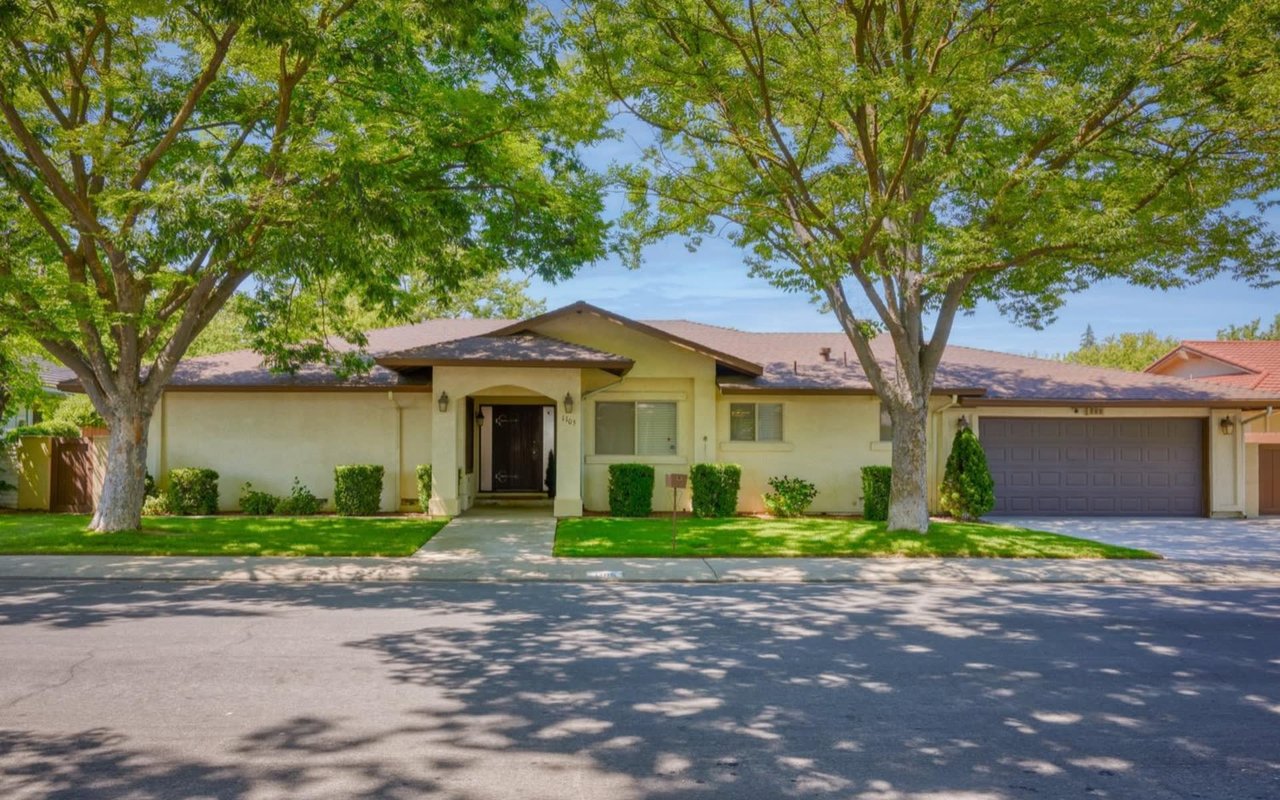
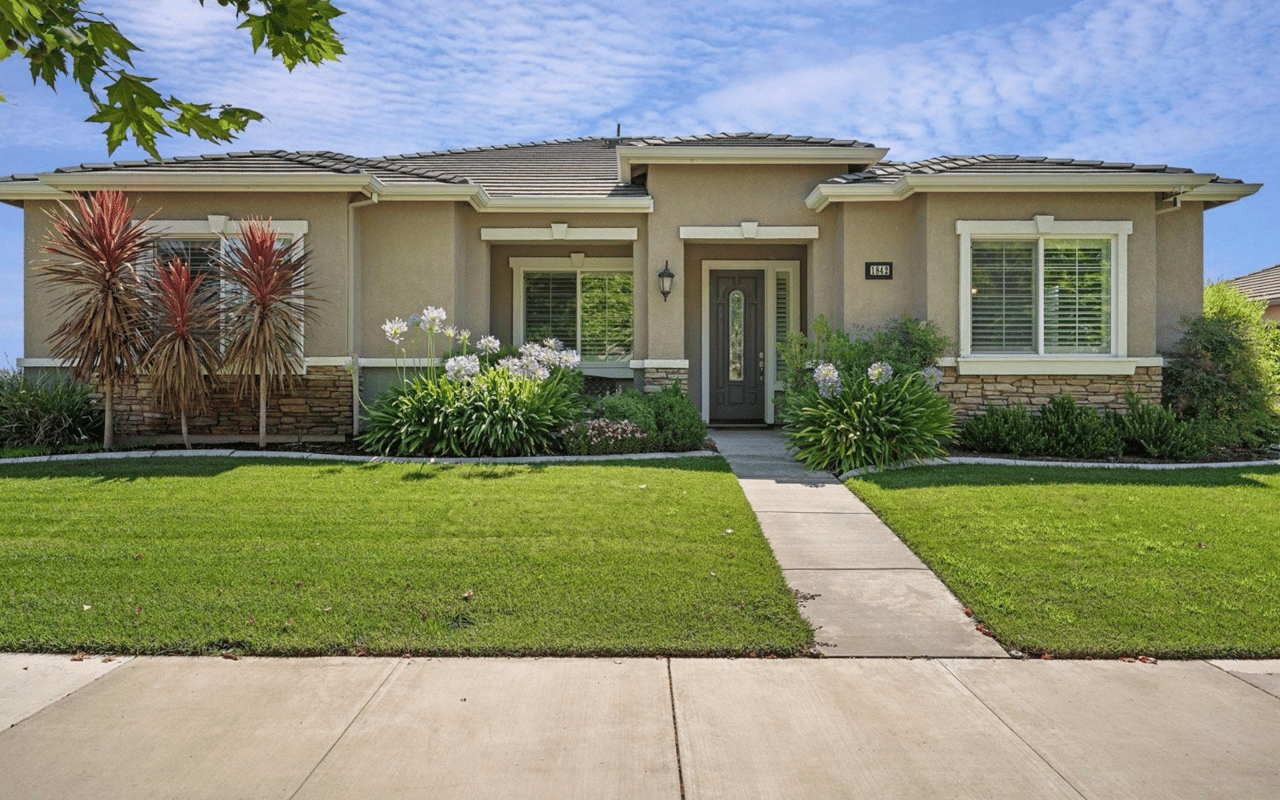
What if you could see your home’s likely sale price before you even interview an agent? If you are thinking about selling in Stockton, you want clarity, not guesswork. In this guide, you’ll learn exactly how list prices are set, what data actually matters, and how to evaluate any pricing recommendation with confidence. Let’s dive in.
What sets a Stockton list price
Comparable sold homes
Recent closed sales of truly similar homes are the backbone of pricing. The strongest comps are from the last 3 to 6 months, in the same micro-neighborhood, and match your home’s type, size, bed/bath count, lot, and condition. Extending the time window can be reasonable in slower markets, but the most recent 30 to 90 days carry the most weight for momentum.
Agents should show you 3 to 6 primary comps with full MLS printouts. You want photos, list vs. sale prices, days on market, and clear notes on differences and adjustments.
Active, pending, and competition
Active listings are your immediate competition. If many similar homes are on the market near your price band, you may need to list more competitively. Pending sales reveal where buyers are writing offers today. They can signal whether prices are rising or softening before those sales close and hit public records.
Market heat and timing
Days on market, months of supply, and absorption rate highlight market speed. Lower days on market and low months of supply favor stronger list prices and faster sales. Higher supply and slower turnover suggest a more conservative approach. Seasonality matters too. Spring typically brings more buyers, which can improve showing traffic and support firmer pricing.
Condition and permits
Condition is one of the biggest value drivers. Move-in-ready homes with permitted upgrades, such as updated kitchens and baths, new HVAC, roof, or windows, usually command higher prices. Unpermitted work can reduce buyer confidence. Always verify improvements through the City of Stockton’s permit history when possible.
Location and risk factors
Within Stockton, micro-neighborhoods matter. Proximity to parks, schools, waterfront, University of the Pacific, employment hubs, and highways like I-5 can influence demand. Risk considerations are also real. Flood-zone status, soil or foundation issues, and special assessment districts can affect a buyer’s total monthly cost and your market value. If a property lies in a FEMA-designated flood zone, insurance requirements may lower the price buyers are willing to pay.
Financing and human strategy
Interest rate levels shape purchasing power. When rates are higher, buyers often have tighter budgets. Pricing strategy and listing execution also matter. The choice between pricing to attract multiple offers versus pricing for a swift, clean sale depends on your goals, timing, and local market conditions.
Read the right local data
You do not need to become a data scientist. You only need to know which gauges to watch and how to discuss them with an agent.
- Median sale price trend. Check direction over the past 3 to 12 months. Is it stable, rising, or falling in San Joaquin County and your micro-neighborhood?
- Price per square foot. Compare your home to similar-size comps nearby. Be careful with outliers and major condition differences.
- Days on market. Faster markets allow a more confident list price. Slower markets reward sharper pricing.
- Months of supply. Fewer than 3 months often points to a seller-skewed market. Above 6 months is typically buyer-friendly.
- Sale-to-list ratio. Consistent results above 100 percent hint at multiple offers. Ratios under about 98 to 99 percent suggest buyers are negotiating down.
- Active-to-pending ratio. A spike in listings without matching pending sales can signal softening demand.
Reliable sources include the local MLS, San Joaquin County Assessor and Recorder data, City of Stockton permits, and regional market reports. Automated valuations are helpful for context but can miss micro-market nuances and property-specific features.
How a strong CMA is built
A Comparative Market Analysis should be transparent and methodical. Here is the logic you should expect to see from a good agent:
- Define the market. Match your home’s type, micro-neighborhood, age, and lot profile.
- Pull recent closed sales. Focus on the last 3 months first, then widen to 6 to 12 months only if needed.
- Add pending and expired listings. Pending shows current buyer behavior. Withdrawn or expired listings reveal mispricing.
- Select 3 to 6 primary comps. Favor the closest matches and include supporting comps if needed.
- Adjust for measurable differences. Square footage, bed/bath count, lot size, and parking should be addressed.
- Adjust for condition and permits. Distinguish permitted upgrades from cosmetic-only changes and note unpermitted work.
- Calculate value range. Show adjusted prices, price per square foot, and a recommended list price range.
- Provide market context. Include neighborhood DOM, months of supply, sale-to-list ratios, and time-to-close estimates at different price points.
- Estimate net proceeds. Outline likely closing costs, credits, and pricing trade-offs so you can weigh speed versus top-end value.
Expect your agent to explain why each comp was chosen, how each adjustment was made, and how the final range aligns with current buyer activity.
Stockton-specific adjustments
Not all square feet are created equal, and not all features carry the same value in every micro-neighborhood. In Stockton, agents commonly weigh the following:
- Square footage and layout. Use price per square foot as a cross-check, then focus on usability and layout. Finished, functional space carries more weight than nominal size.
- Bedrooms and bathrooms. Additional beds and baths help, but buyers often place a premium on kitchen and primary-bath quality.
- Lot size and outdoor living. Larger, usable yards and attractive landscaping tend to add value, especially where outdoor living is popular.
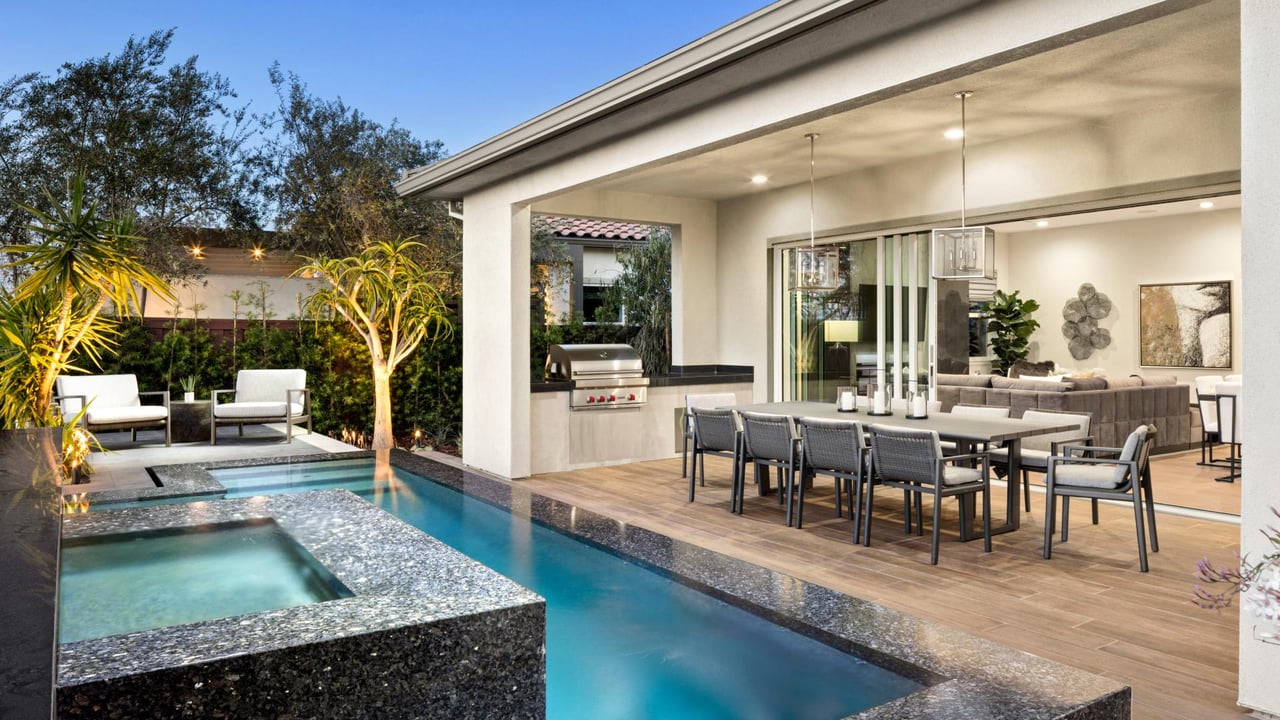
- Pools and water features. Pools can be a plus in Stockton’s climate but come with maintenance costs. Value varies by neighborhood and buyer preferences.
- Garage and parking. Street parking varies across neighborhoods. A usable garage or off-street parking can be meaningful.
- Permits and upgrades. Permitted kitchen and bath remodels, new HVAC, roof, and windows tend to support higher pricing. Unpermitted work can lead to lender questions or buyer requests for credits.
- Foundation, soil, and flood risk. Known issues or flood insurance requirements can reduce what buyers will pay. Disclose risks and price them explicitly.
- Proximity to assets or nuisances. Nearness to parks, waterfront, campuses, or commuter routes can help. Close proximity to highways, industrial corridors, or rail lines can reduce appeal.
- Special assessments and taxes. Mello-Roos or other assessments raise carrying costs, which can lower a buyer’s price ceiling.
A strong CMA documents these adjustments rather than relying on fixed dollar add-ons that may not match your micro-market.
Pick a pricing strategy
You have two broad approaches. The right choice depends on your timeline, risk tolerance, and the data:
- Price to create competition. List slightly under the mid-point of your value range to draw more showings and potential multiple offers. This works best when DOM is low, inventory is lean, and sale-to-list ratios are strong.
- Price to capture top-end value. List near the higher end of the value range when your home has clear advantages and nearby comps support it. This can take longer and requires strong marketing, presentation, and patience.
Discuss price bands and search brackets. Small adjustments can place your home in a more favorable online filter, which may increase showings. Align your pricing plan with staging, photography, and launch timing for maximum effect.
Your seller prep checklist
Gather paperwork and clarity before you interview agents. It will save time and sharpen your pricing conversation.
- Recent property tax bill and your APN
- Any prior appraisal reports or sale history
- Building permit records for renovations
- HOA documents if applicable
- A written list of recent upgrades with dates and receipts
- Flood-zone status and any related insurance details
Bring simple market context to the meeting. Screenshots of local sales, neighborhood DOM, and inventory trends help drive a fact-based discussion. Ask for a written pricing plan with a 30-60-90 day strategy if the market response is slower than expected.
Smart questions to ask agents
- Why did you pick these comps, and how did you adjust for size, beds/baths, and condition?
- How many active competitors sit near my price, and how do we stand out?
- What is the average DOM for similar homes in this micro-neighborhood?
- If we aim for multiple offers, what list price and marketing plan support that?
- If we aim to maximize net proceeds, what timeline and concessions should we expect?
- Do you recommend repairs or pre-list inspections, and how could those change our net?
- Can you show your recent Stockton listings and their sale-to-list performance?
Look for clear explanations, actual MLS evidence, and a plan that fits your goals.
Common misconceptions
- “I should price high to leave room to negotiate.” In Stockton’s micro-markets, overpricing often reduces showings and leads to longer DOM and price cuts. Use current sale-to-list ratios and pending sales to guide the initial ask.
- “Online estimates are the final word.” Automated values are useful for background but can miss unique features, unpermitted work, and street-to-street differences. Trust MLS comps and a transparent CMA.
- “Flood zones always kill value.” They do not always, but they can require insurance and add to monthly costs. Disclose, price appropriately, and let buyers and lenders verify specifics.
Ready to price with confidence
A clear, data-driven CMA and a tailored pricing plan can help you sell on your terms. If you want white-glove preparation, modern marketing, and local expertise across Stockton and San Joaquin County, connect with a team that treats pricing like a craft and backs it with concierge execution.
Ready to move forward? Request a White-Glove Consultation with Alex Levy to set your listing up for success.
FAQs
How do agents choose comps in Stockton?
- They focus on recent, nearby closed sales of similar property type, size, beds/baths, lot, and condition, then adjust for differences and show the math in a CMA.
What if there are few recent sales near my home?
- Agents widen the time window to 6–12 months and add similar nearby micro-neighborhoods, then lean on pending sales and market metrics to gauge momentum.
How does flood-zone status impact price?
- Required flood insurance can raise carrying costs, so buyers may offer less. The exact impact varies by policy cost and lender requirements.
Do permits on renovations really matter to buyers?
- Yes. Permitted work reduces risk and supports higher values. Unpermitted work can trigger lender scrutiny and buyer requests for credits.
Should I list lower to spark a bidding war?
- It can work in low-inventory, fast-moving segments with strong sale-to-list ratios. Your agent should show data to justify whether this strategy fits your home.