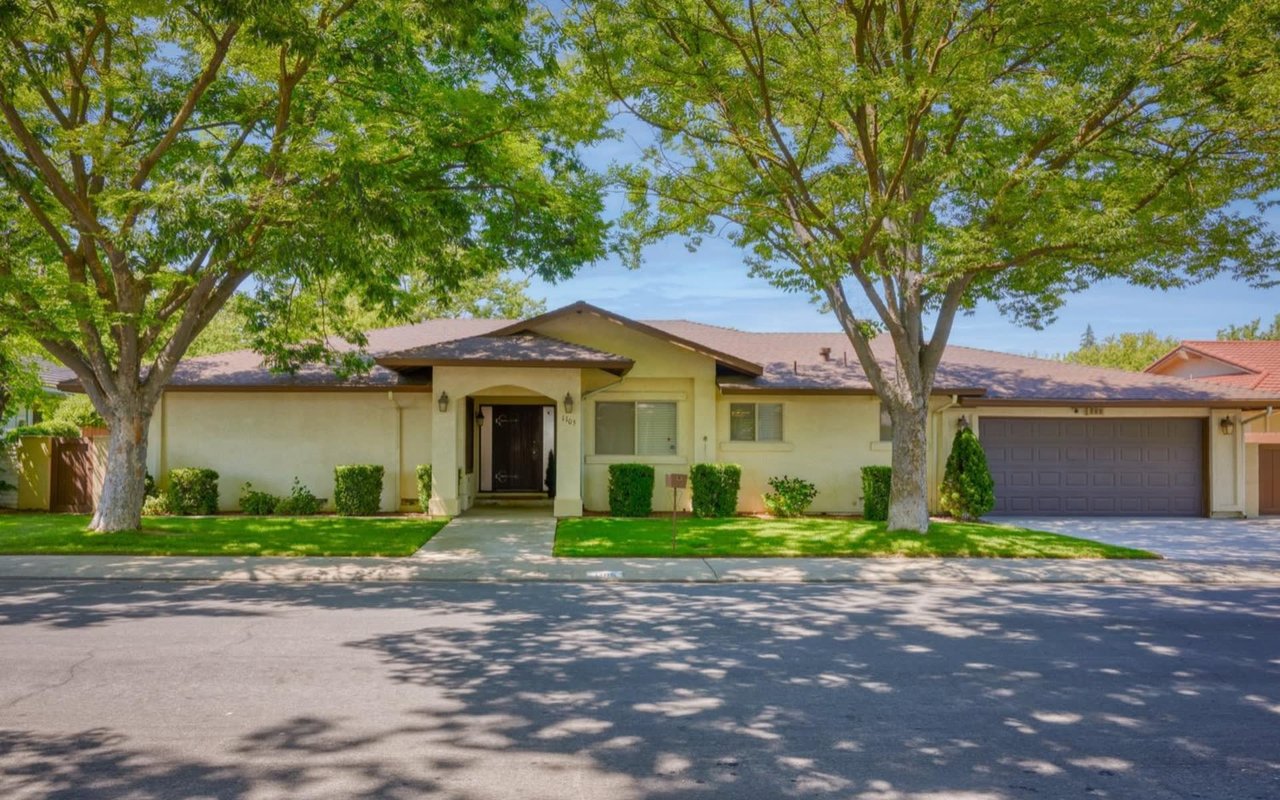
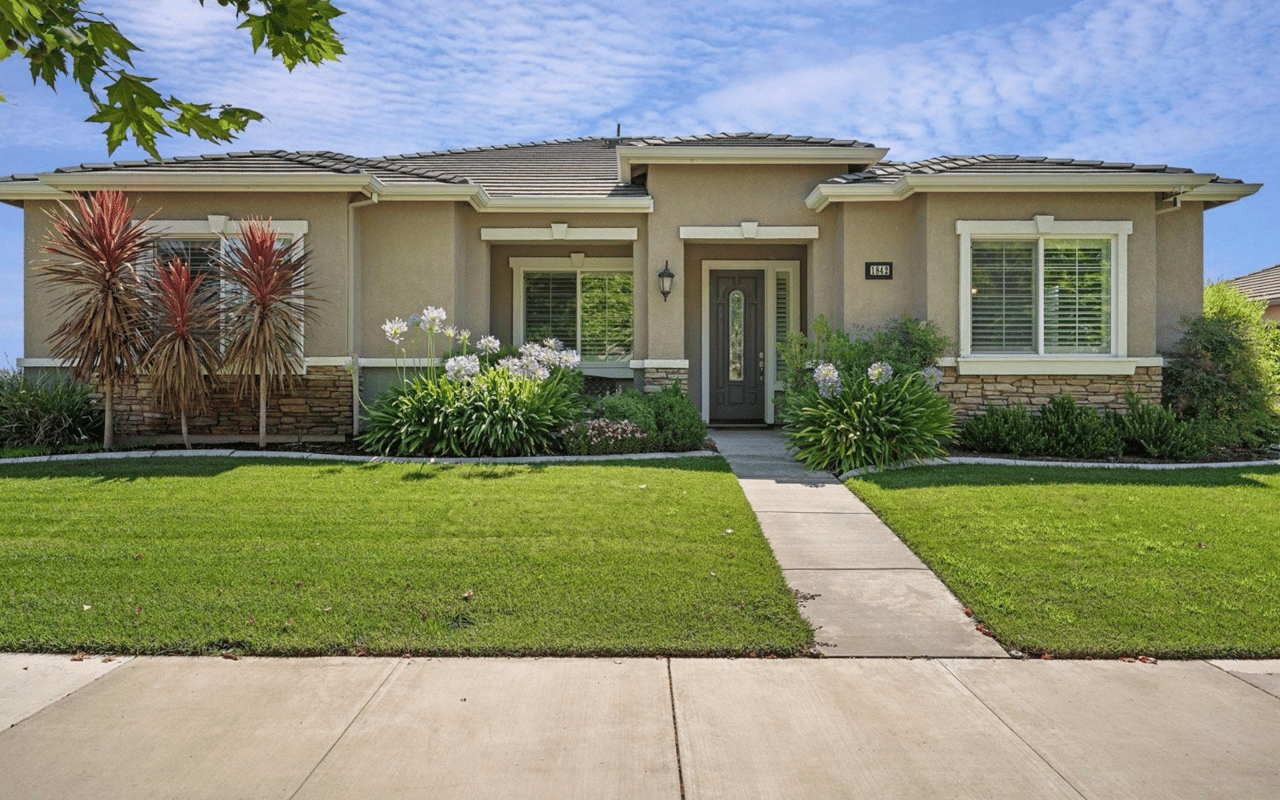
Thinking about cashing out Bay Area equity and simplifying your next chapter? If you own a home in Walnut Creek, downsizing and moving to the Central Valley can be more than a lifestyle decision. It can also be a practical financial move. The key is understanding how Walnut Creek’s market compares with cities like Tracy, Lodi, and Ripon, and how to time both sides of the transition with as little stress as possible. Let’s dive in.
Why Walnut Creek Owners Look to the Valley
Downsizing is not always about buying a much smaller home. In many cases, it is about using the equity you built in Walnut Creek to lower your monthly costs, reduce upkeep, or choose a home that better fits how you live now.
That idea makes sense in today’s numbers. Redfin reports Walnut Creek homes sell in about 12 days on average and receive around 3 offers, with a March 2026 median sale price of $845,000. Zillow places the average Walnut Creek home value at $1,045,017, which helps explain why many homeowners see real opportunity in selling here and buying in a lower-priced Valley market.
At the county level, the price gap is also meaningful. Realtor.com showed a March 2026 median listing price of $779,900 in Contra Costa County, compared with $579,999 in San Joaquin County. That spread is a big reason many East Bay homeowners explore a move inland.
Downsizing Can Mean More Choices
When you move from Walnut Creek to the Valley, you may be able to do one of several things at once. You might buy a smaller home and free up cash. You might keep a similar size home but reduce your purchase price. Or you might trade for a different layout, less maintenance, or more land depending on the market you choose.
The most important point is this: the Valley is not one single market. Tracy, Lodi, and Ripon each have their own pricing, inventory levels, and pace. If you treat them as interchangeable, you could miss the best fit for your goals.
What the Valley Looks Like Today
Tracy Market Snapshot
Tracy often appeals to buyers who want a Central Valley move while staying relatively connected to Bay Area travel patterns. Zillow shows an average home value of $696,047, a median sale price of $655,000, 194 homes for sale, and 34 days to pending. Realtor.com reports roughly 411 homes for sale and a median listing price around $740,000.
Those numbers suggest Tracy can offer a noticeable price step down from Walnut Creek, but it is not the cheapest option in this group. It may suit buyers who want a balance between relative accessibility and lower housing costs.
Lodi Market Snapshot
Lodi looks like the clearest affordability reset of the three. Zillow shows an average home value of $520,831, a median sale price of $493,000, 165 homes for sale, and 19 days to pending. Redfin shows a similar median sale price of about $500,000, even though its days-on-market figure differs.
That difference in timing data is a good reminder that market trackers use different methods. Still, the pricing trend is clear. For many Walnut Creek sellers, Lodi may offer the strongest opportunity to reduce housing costs meaningfully.
Ripon Market Snapshot
Ripon sits in a different position. Zillow shows only 35 homes for sale, an average home value of $682,800, and a median list price of $766,316. Redfin reports a March 2026 median sale price of $790,000 and 45 median days on market.
That makes Ripon a smaller and more inventory-constrained market. It may still be part of a downsizing conversation, but it may not deliver the same price drop you might expect from other Valley cities.
How to Compare Tracy, Lodi, and Ripon
If you are moving from Walnut Creek, your decision should go beyond the headline price. A lower purchase price matters, but so do inventory levels, speed of sale, and how much flexibility you will have when shopping for the next home.
Here is a quick side-by-side look:
| City | Average/Home Price Signal | Inventory Signal | Pace Signal | What It May Mean for You |
|---|---|---|---|---|
| Tracy | Mid-range among the three | More options than Ripon | Moderate pace | A balance of access and savings |
| Lodi | Lowest pricing in this group | Moderate inventory | Relatively quick pending pace | Strongest affordability shift |
| Ripon | Higher pricing than many expect | Tight inventory | Smaller-market dynamics | Less of a pure price-reset move |
If your top goal is lowering your monthly payment, Tracy and especially Lodi may deserve close attention. If your goal is finding a specific type of home in a smaller market, Ripon may still be worth exploring, but expectations should stay grounded in current pricing and inventory.
Timing the Sale From Walnut Creek
A fast-moving market can give you leverage, but timing still matters. Redfin’s 2026 guidance says late spring is generally a strong time to sell, with late March through mid-May standing out and late April often marking a national peak.
For you, that does not mean spring is automatically the only window. The better approach is to match timing to local demand, your home’s condition, and the timeline for your replacement purchase. If your next move depends on proceeds from your current sale, coordination matters just as much as price.
Sell First or Buy First?
This is one of the biggest downsizing questions. Redfin’s guidance suggests selling first often makes sense if you need your Walnut Creek sale proceeds for the next down payment or if you want to avoid carrying two mortgages.
Buying first may work if you have enough savings or financing options and want to avoid temporary housing. In some cases, that can reduce stress, especially if you are trying to line up a smoother move into your next home.
A practical way to think about it is simple:
- Sell first if preserving cash flow is the priority
- Buy first if convenience and move timing matter most, and you have the financial cushion to support it
- Plan both together if you want to reduce surprises and understand your options before listing
Tools That Help Coordinate the Move
A Walnut Creek-to-Valley downsizing move usually works best when you map out both transactions early. Redfin notes it is best to decide where you will live before listing your current home.
The coordination tools many buyers and sellers use include:
- Home-sale contingencies
- Settlement contingencies
- Extended closings
- Rent-back agreements
- Short-term rentals
- Temporary stays with family or friends
- Bridge loans
Each option solves a different problem. A rent-back can buy you time after closing. A bridge loan can help if you want to purchase before your current sale closes. An extended closing can make two timelines fit together more cleanly.
Tax and Property Issues to Plan For
Capital Gains Basics
If the Walnut Creek home is your primary residence, IRS Publication 523 says you may be able to exclude up to $250,000 of gain if you are a single filer, or up to $500,000 if you are married filing jointly, as long as you meet the ownership and residence rules. In general, this follows the familiar 2-out-of-5-year test.
The IRS also allows partial exclusions in some cases, including certain work-related moves, health-related moves, and unforeseeable events. Because tax outcomes depend on your facts, it is smart to organize your records early and review them carefully.
Keep the Right Records
Your records can directly affect how gain is calculated. IRS guidance says purchase costs, certain closing costs, and capital improvements may affect your cost basis. Loan-related charges generally do not count the same way.
That means it helps to keep documentation for:
- Original purchase costs
- Closing statements
- Major improvements that added value
- Work that prolonged the home’s useful life
- Projects that adapted the property to new uses
Proposition 19 Matters for Many Downsizers
If you are age 55 or older, California’s Proposition 19 may be one of the most important parts of your move plan. The California Board of Equalization says eligible homeowners can transfer their base-year value to a replacement primary residence anywhere in California.
The replacement home must be purchased or newly built within 2 years of the original sale. The claim must be filed within 3 years of purchase or completion, and the benefit can be used up to three times. If the replacement property is of equal or lesser value, no adjustment is made. If it costs more, the excess value is added to the transferred base-year value.
Watch for Supplemental Taxes
Contra Costa County notes that supplemental tax bills apply when assessed value increases after a change in ownership or completion of new construction. These bills are prorated from the date of the change to the end of the fiscal year.
The county also says any proration after the lien date is a private matter between buyer and seller. After a sale, owners should contact the Assessor to make sure ownership records are updated correctly.
A Smarter Downsizing Strategy
The strongest downsizing plans usually start with a full picture, not just a home search. You want to know what your Walnut Creek home could sell for, what that means for your net proceeds, and which Valley market best fits your budget and timing.
That is especially true when the replacement options vary as much as Tracy, Lodi, and Ripon do right now. A move that looks simple on paper can feel very different depending on inventory, price point, and how tightly your two transactions need to line up.
If you approach the move with good data and a clear plan, downsizing can become a way to simplify your next chapter without giving up control. It can help you turn built-up equity into flexibility, whether your goal is lower costs, less maintenance, or a home that better fits your life today.
If you are weighing a move from Walnut Creek to Tracy, Lodi, Ripon, or another Central Valley market, Levy Real Estate Group offers a white-glove, locally informed approach to help you map the sale, the purchase, and the timing with confidence.
FAQs
What does downsizing from Walnut Creek to the Valley usually mean?
- It often means using Walnut Creek home equity to buy a lower-priced home in the Central Valley, reduce monthly costs, simplify upkeep, or create more financial flexibility.
What is the Walnut Creek housing market like for downsizers in 2026?
- Redfin reports Walnut Creek homes sell in about 12 days on average, receive around 3 offers, and had a March 2026 median sale price of $845,000, which can support a move into a lower-priced market.
Which Valley city offers the biggest price drop from Walnut Creek?
- Based on the research provided, Lodi appears to offer the clearest affordability shift, with Zillow showing an average home value of $520,831 and a median sale price of $493,000.
Is Ripon a lower-cost downsizing option from Walnut Creek?
- Not always. Ripon is part of the Valley relocation conversation, but current pricing and tight inventory suggest it may not deliver the same level of cost reduction as Tracy or Lodi.
When is the best time to sell a Walnut Creek home before moving?
- Redfin’s 2026 guidance says late March through mid-May is generally a strong selling window, but the right timing still depends on your home, local demand, and your replacement-home timeline.
Should you sell your Walnut Creek home before buying in the Valley?
- Selling first may make sense if you need sale proceeds for the next down payment or want to avoid two mortgages. Buying first may work better if you have enough savings or financing options and want to avoid temporary housing.
How does Proposition 19 help California downsizers age 55 or older?
- The California Board of Equalization says eligible homeowners age 55 or older may transfer their base-year property tax value to a replacement primary residence anywhere in California, subject to the program rules and deadlines.
What records should you keep when selling a Walnut Creek home?
- Keep records of purchase costs, closing costs, and capital improvements because they may affect your tax basis and any taxable gain on the sale.