If you want more space, parks, and a suburban routine without fully disconnecting from Bay Area job centers, San Ramon often lands on the shortlist. The tradeoff is simple: you are not choosing the shortest commute, but you may gain a more spacious home base and easier access to trails, parks, and daily conveniences. If you are weighing that balance, this guide will help you understand what commuting from San Ramon really looks like and how the lifestyle fits together. Let’s dive in.
San Ramon at a glance
San Ramon is a Contra Costa County suburb about 35 miles east of San Francisco, and the city estimated population was 85,924 as of July 1, 2024, according to the U.S. Census Bureau. The city notes that San Ramon was once known mainly as a bedroom community for San Francisco, Oakland, and San Jose before Bishop Ranch grew into a major regional employment center, as explained in the city’s community profile.
That history still shapes daily life. San Ramon works well for many people who want a suburban setting with access to multiple job hubs, but it is not typically the kind of place where you walk to a train and arrive downtown in minutes.
What the commute really feels like
The numbers tell part of the story. The Census estimates San Ramon’s mean travel time to work at 34.7 minutes, compared with 27.2 minutes nationally. In practical terms, many residents accept a longer trip in exchange for suburban housing, open space, and a location that can reach different parts of the Bay Area.
For many commuters, the routine is less about one direct transit line and more about combining driving, park-and-ride, buses, carpools, and regional rail connections. That makes San Ramon feel more flexible than transit-first, but it also means your day often depends on timing, transfers, and traffic.
Commuting often starts with a transfer
San Ramon’s local network is built around connections. The city says local bus service links San Ramon and nearby cities to BART and ACE, while also supporting vanpool, carpool, and transit incentives through its public works commuter information.
The San Ramon Transit Center supports that setup with 54 parking spaces, bike racks, and lockers. For many residents, it functions as a practical meet-up point for buses, carpools, and vanpools rather than a destination in itself.
Key routes commuters use
Current County Connection routes show how the system works:
- 91X connects San Ramon Transit Center to Dublin/Pleasanton BART
- 96X connects San Ramon Transit Center and Bishop Ranch to Walnut Creek BART
- 92X connects Bishop Ranch and the transit center to the Pleasanton ACE station
- Go San Ramon offers on-demand service between San Ramon and West Dublin/Dublin-Pleasanton BART
If you work in Oakland, San Francisco, or Silicon Valley, that usually means your commute involves a highway segment and at least one transfer. If you work in or near Bishop Ranch, your routine may be much simpler.
Who San Ramon works best for
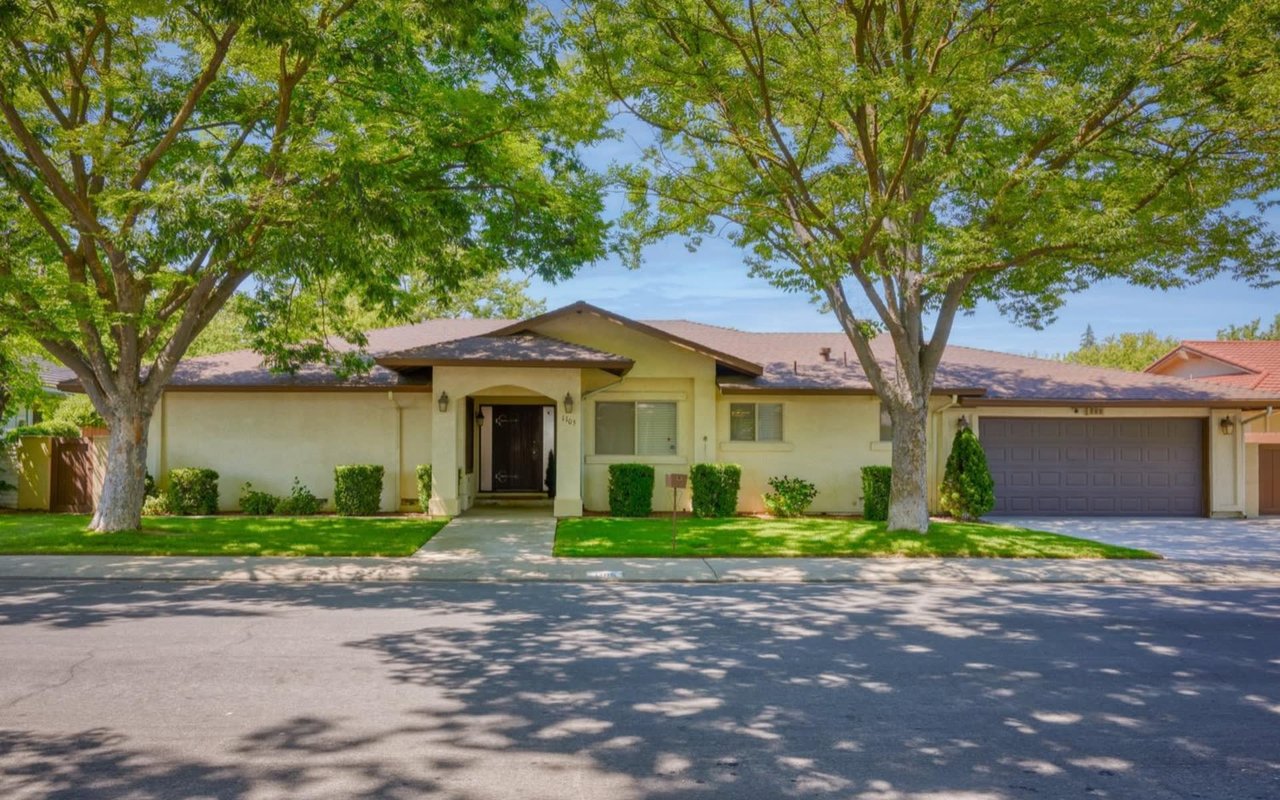
San Ramon tends to make the most sense if you want a suburban home base and are comfortable building your workday around the commute. That can be a strong fit for households who value extra space, newer housing options, and weekend amenities more than a short daily trip.
It can also work well if your job location changes over time. Because San Ramon sits within reach of several Bay Area employment centers, some buyers like the flexibility of being able to commute in more than one direction instead of anchoring themselves to a single urban core.
A better fit for flexible commuters
If you have hybrid work, flexible hours, or even a reverse commute to Bishop Ranch, San Ramon can feel more manageable. The city describes Bishop Ranch as a major regional employment center in its community profile, which matters because not every local resident is commuting outward.
That mix helps explain San Ramon’s appeal. You may have a longer average trip than the national norm, but you are also living in a city that offers local employment, regional access, and a strong suburban framework.
Housing costs and what you get
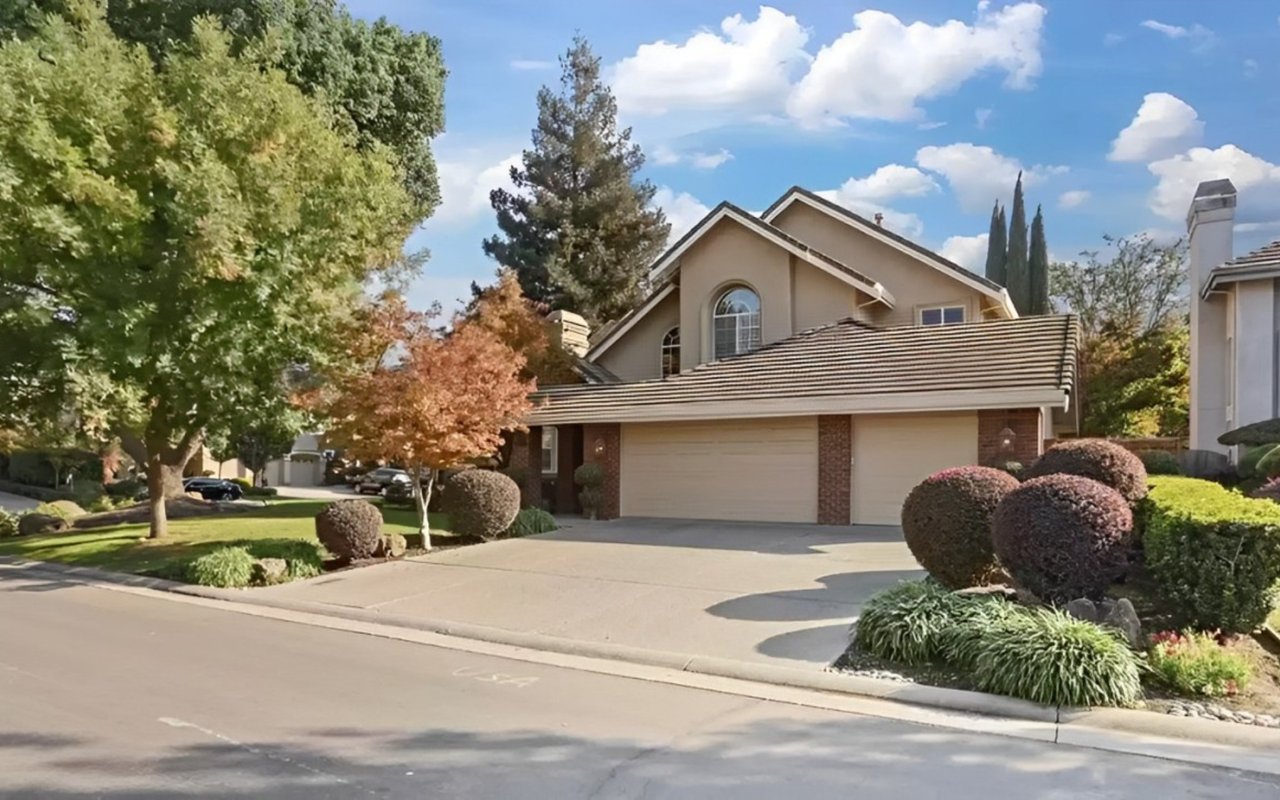
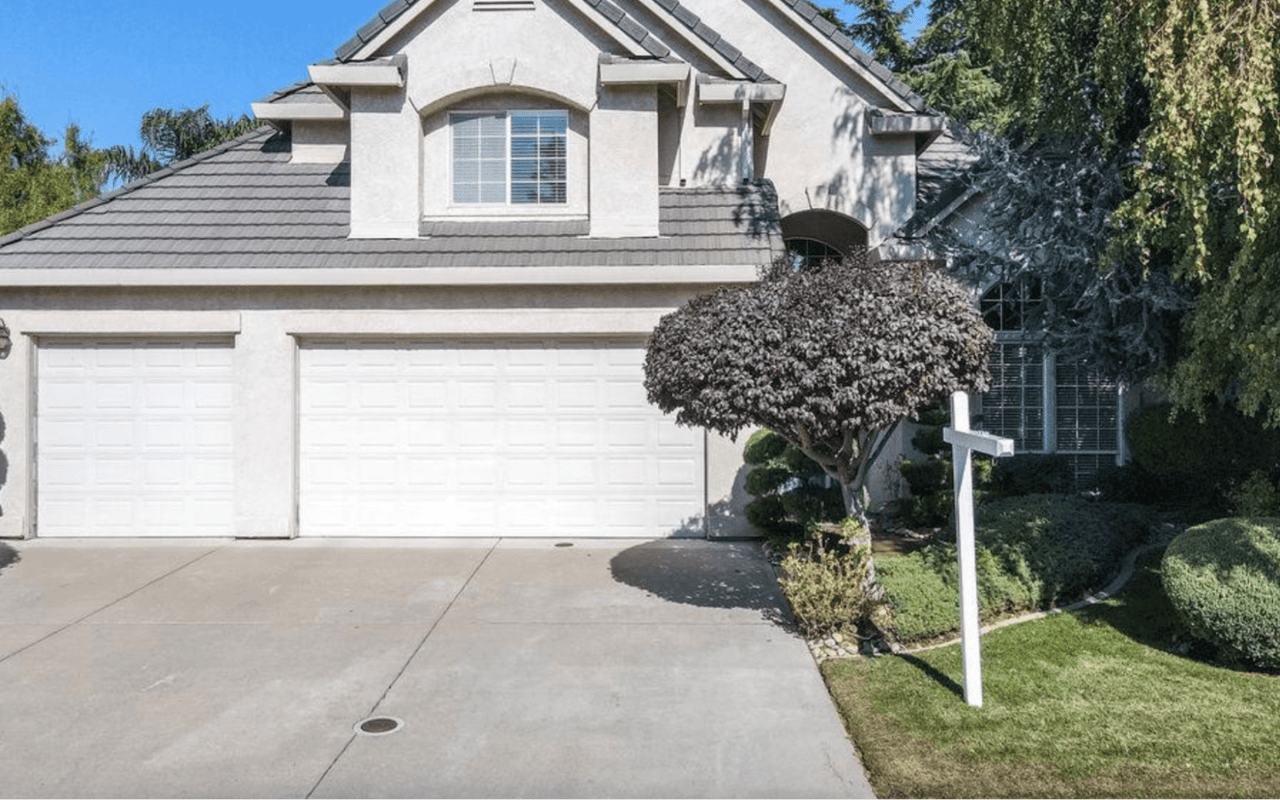
Commuter-friendly suburbs in the Bay Area are rarely cheap, and San Ramon is no exception. The Census estimates the median value of owner-occupied housing units at $1,509,500, while Redfin’s San Ramon housing market page reported a $1,225,000 median sale price in February 2026 for all home types.
Those figures measure different things, but they point in the same direction: this is a high-cost market. If you are considering San Ramon, it helps to think of the commute and the housing cost as part of one lifestyle equation rather than separate decisions.
The price range is broad
Recent sales on Redfin show a meaningful spread in pricing:
- A 3-bedroom home sold around $1.323M
- Several 4-bedroom homes sold roughly between $1.47M and $1.98M
- Larger 5-bedroom homes sold near $2.9M
The city also notes that San Ramon includes housing options from condos to single-family homes in its quality of life overview. For many buyers, that means there are different entry points into the market, even though the overall pricing remains premium.
Daily life beyond the commute
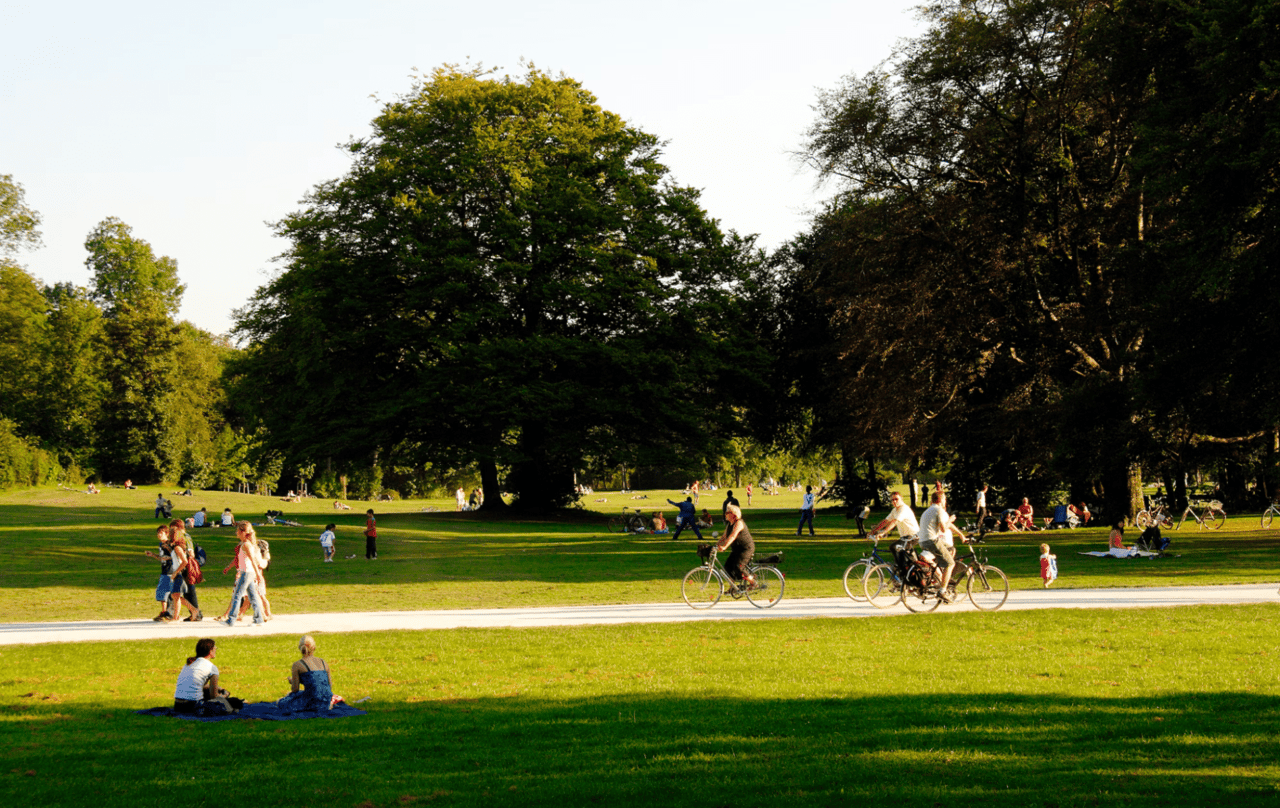
A big reason people choose San Ramon is that life outside work can feel easier and more grounded. The city highlights more than 40 trails and rolling hills on its open spaces page, which gives you a strong sense of what daily routines can look like here.
Instead of spending all your free time driving somewhere to relax, you have nearby options for walking, biking, and getting outdoors. For many commuters, that quality-of-life factor is what makes the weekday tradeoff feel worth it.
Trails and parks shape the routine
The Iron Horse Trail runs 4.24 miles through San Ramon and is flat, paved, and wheelchair accessible. The city says it connects residential areas, schools, public transportation, regional trails, and community facilities, which makes it more than just a weekend amenity.
San Ramon also has major park access. The city describes Central Park as a 40.8-acre community park, and its park system includes 61 parks and 42 playground areas, according to the Central Park page.
For more open land, Bishop Ranch Open Space Regional Preserve offers 806 acres close to San Ramon neighborhoods. That kind of access can matter a lot if you want your home base to feel calmer after a busy workweek.
Weekend convenience is part of the appeal
San Ramon also supports a very practical weekend rhythm. You can run errands, meet friends, grab dinner, or spend a few hours out without planning a major trip.
A lot of that centers around City Center Bishop Ranch, which brings together retail, dining, and entertainment. According to Bishop Ranch’s retail and dining information, the area includes both local and global retailers along with a wide range of dining options.
The farmers market adds an easy routine
The San Ramon Farmers Market at City Center Bishop Ranch runs every Saturday from 9:00 a.m. to 1:00 p.m. It features more than 70 growers and artisan food producers, plus street food, food trucks, live music, and cooking demonstrations.
That may sound like a small detail, but routines like this shape how a place feels over time. If you are commuting during the week, having simple, enjoyable weekend anchors close to home can make your overall lifestyle feel much more balanced.
Community events and local feel
San Ramon has a strong suburban community calendar, which helps the city feel active rather than purely residential. The city’s signature Art & Wind Festival takes place in Central Park and includes arts and crafts, food vendors, entertainment stages, kite-flying demonstrations, and workshops.
The city also hosts Culture in the Community, a celebration with multicultural performances, booths, workshops, and children’s activities. For buyers thinking long term, these events offer a useful window into what day-to-day life can feel like beyond the commute itself.
Schools are part of the decision
For many households, schools are a major reason to consider San Ramon. The San Ramon Valley Unified School District serves the area and lists multiple San Ramon campuses, including California High School, Dougherty Valley High School, San Ramon Valley High School, several middle schools, and numerous elementary schools.
The district also notes that its special education programs serve students from birth to age 22. If schools are part of your home search, San Ramon gives you a large public school district to research as you narrow down where you want to live.
The real tradeoff to understand
Living in San Ramon as a commuter is really about priorities. You are often choosing more space, suburban amenities, parks, trails, and a well-established residential setting, while accepting that many commutes will involve driving, transfers, or longer travel times.
For the right buyer, that tradeoff makes sense. If you want a polished suburban home base with access to Bay Area job centers and a lifestyle that feels more spacious when you are off the clock, San Ramon can be a very compelling option.
If you are exploring San Ramon or comparing it with other commuter-friendly markets, Levy Real Estate Group can help you evaluate the lifestyle, pricing, and housing options with a clear, local perspective.
FAQs
What is commuting from San Ramon to BART like?
- Commuting from San Ramon to BART often involves using routes like 91X to Dublin/Pleasanton BART, 96X to Walnut Creek BART, or Go San Ramon to West Dublin/Dublin-Pleasanton BART.
Is San Ramon a good place to live for Bay Area commuters?
- San Ramon can be a good fit if you want a suburban home base with access to Bay Area job centers and are comfortable with a commute that often includes driving, park-and-ride, or bus-to-rail transfers.
How long is the average commute from San Ramon?
- The U.S. Census Bureau estimates the mean travel time to work in San Ramon at 34.7 minutes.
What types of homes can you find in San Ramon?
- San Ramon offers housing options from condos to single-family homes, with recent sale examples ranging from about $1.323M for a 3-bedroom home to about $2.9M for larger 5-bedroom homes.
What is there to do in San Ramon on weekends?
- Popular weekend options include visiting Central Park, exploring the Iron Horse Trail and other open spaces, dining at City Center Bishop Ranch, and shopping at the Saturday farmers market.
Are there public schools in San Ramon?
- Yes, San Ramon is served by San Ramon Valley Unified School District, which includes multiple elementary, middle, and high school campuses in the city.