Looking for Bay Area–adjacent value with stable rental demand? Manteca keeps showing up on investor shortlists because it pairs Central Valley pricing with commuter access and steady household growth. If you are weighing a long-term rental or a flip, you want clear numbers, realistic yield math, and a view of near-term catalysts. This guide brings you current prices, rents, vacancy targets, quick investor math, key risks, and how Manteca stacks up against Tracy, Stockton and Modesto. Let’s dive in.
Why Manteca draws Bay Area investors
Manteca offers purchase prices well below core Bay Area markets while serving many East Bay and Central Valley commuters. The city’s planning documents target a rental vacancy around 5% to 6%, which points to a moderately tight rental market for well-priced homes. Ongoing logistics and industrial activity in the Central Valley support local jobs and housing demand. Planned regional rail improvements would improve long-run connectivity, which can lift both rents and values over time.
Prices and rents at a glance
- Typical home value: about $578,000 based on Zillow’s ZHVI (early 2026). City medians shift month to month, so verify with fresh comps before writing an offer.
- Asking rents: low $2,000s on average in recent snapshots. Listings-based estimates for 1–2 bedrooms commonly range from about $1,700 to $2,200, while many 3–4 bedroom single-family homes lease in the $2,200 to $3,000 band depending on condition and location (Zillow ZORI late 2025 to early 2026 and ApartmentList city medians).
- Vacancy: the City references a healthy target of roughly 5% to 6%, consistent with a market that absorbs family-sized rentals without long downtime. See the city’s housing background for context in the Manteca Housing Element.
Yield math made simple
Here is a quick, illustrative look using city-level inputs. Always replace with property-specific comps and your actual financing.
- Example A, single-family rental: ZHVI $578,090 and an average rent of $2,309 per month (Zillow and market composite, early 2026) equals $27,708 per year. Gross yield is about 4.8%. Gross rent multiplier is about 20.9.
- Example B, smaller unit: If a 2-bed rents for roughly $2,071 per month (ApartmentList city average), annual rent is $24,852. Gross yield on a $578,000 purchase is about 4.3%.
What it means for you: gross yields in the mid-4% range are modest. After property tax, insurance, maintenance, management, and capital reserves, net returns will be lower and very sensitive to borrowing costs. Model multiple rate scenarios and vacancy buffers before you buy.
Demand drivers and near-term catalysts
- Regional rail planning. The Altamont Corridor/Valley Rail program includes a Manteca station and platform work within its funded program pipeline. Timelines are phased, so treat this as a multi-year catalyst rather than a near-term delivery. Review the Valley Rail program overview for scope and updates.
- Industrial and logistics. The Central Valley remains a key logistics corridor that serves Bay Area consumption and ports. Recent market reports highlight active development and leasing, which supports local employment and renter demand. See Cushman & Wakefield’s Central Valley industrial snapshot for context in Q1 2025 MarketBeat.
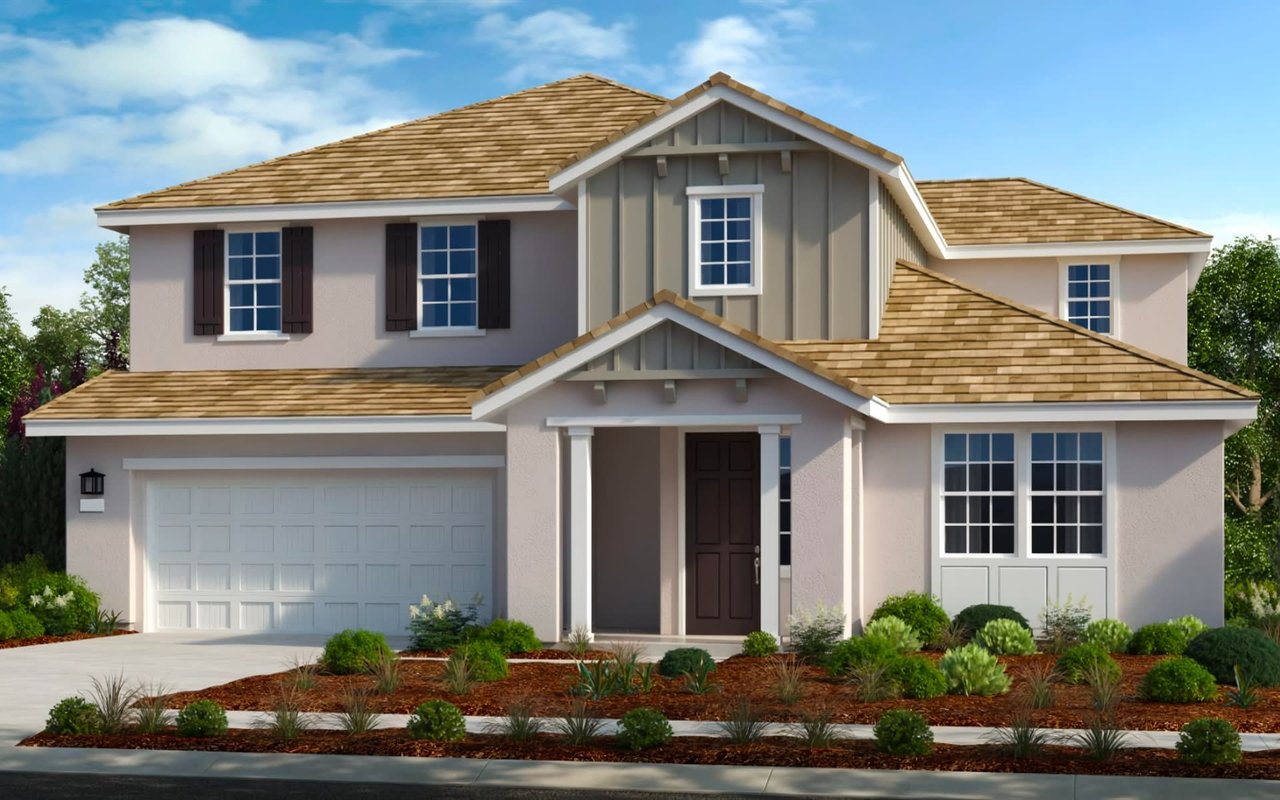
- New-home supply. National builders maintain a presence in Manteca, adding fresh single-family inventory that can attract tenants and owner-occupants. Explore active neighborhoods like KB Home’s Cielo at Villa Ticino to understand how new product shapes comps.
- Commuting. Drive times to San Francisco vary widely by traffic, with estimates around 75 to 90 minutes in non-peak conditions. Tri-Valley commutes are often under an hour. Check routes using tools like Travelmath’s drive-time calculator.
Rental demand and vacancy context
City and ACS summaries indicate a large share of renters occupy 2–3 bedroom homes, which aligns well with single-family rentals. The City’s own planning documents treat 5% to 6% as a healthy vacancy range, and recent ACS-based estimates suggest Manteca operates near that target. That backdrop supports shorter vacancy periods for well-priced, well-presented units. See the Manteca Housing Element background for vacancy targets and policy context, and the City’s population materials for growth trends in planning documents.
Manteca vs. Tracy, Stockton, Modesto
- Tracy. Median prices often sit higher, commonly in the high $600,000s to $700,000s in early 2026 vendor snapshots. Tracy’s proximity to the I-205 and I-580 corridor is a demand driver. Higher entry prices can compress gross yields unless rents keep pace.
- Stockton. Median prices are generally lower than Manteca in recent reporting, which can improve gross yield math. Neighborhood variation is wider, so underwriting and block-level due diligence matter.
- Modesto. Medians often fall in the low-to-mid $400,000s in vendor snapshots. That pricing can improve yield potential but ensure your assumptions fit the micro-location and property condition.
Bottom line: Manteca tends to sit between Stockton/Modesto and Tracy on price, with rents that support family-sized units. Many Bay Area investors target Manteca for balanced appreciation potential plus steady, if modest, cash flow.
Which property types pencil best
Single-family rentals (SFR)
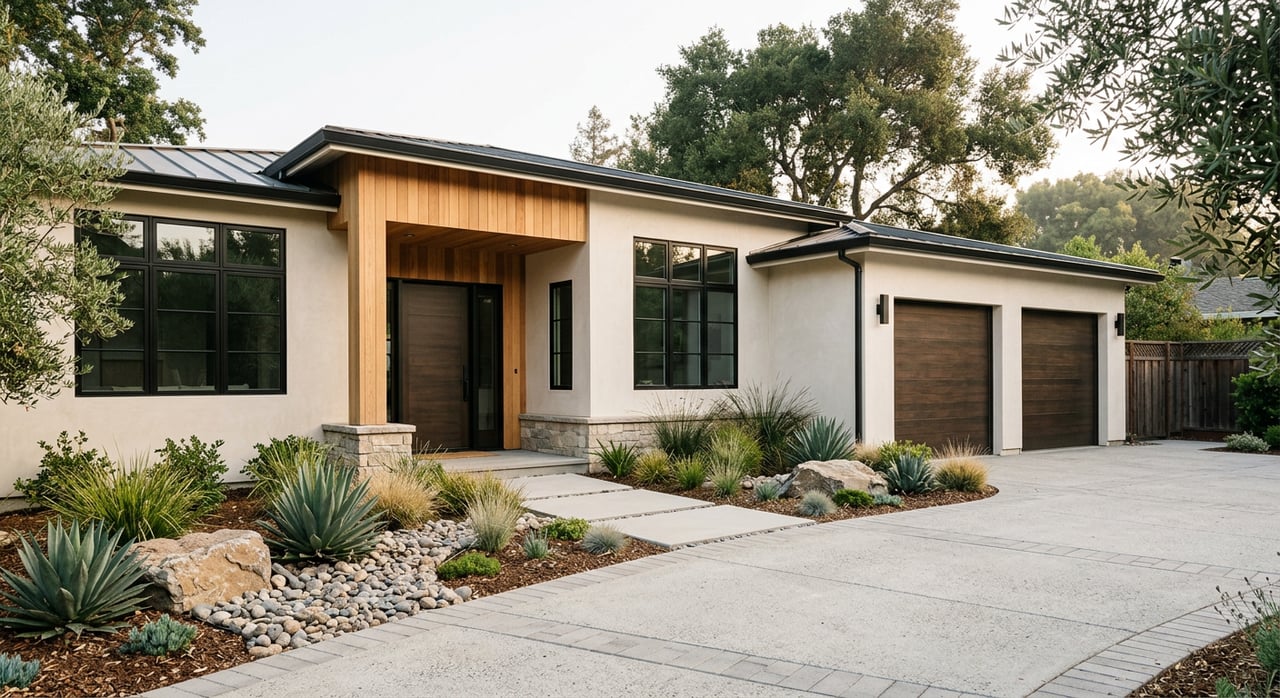
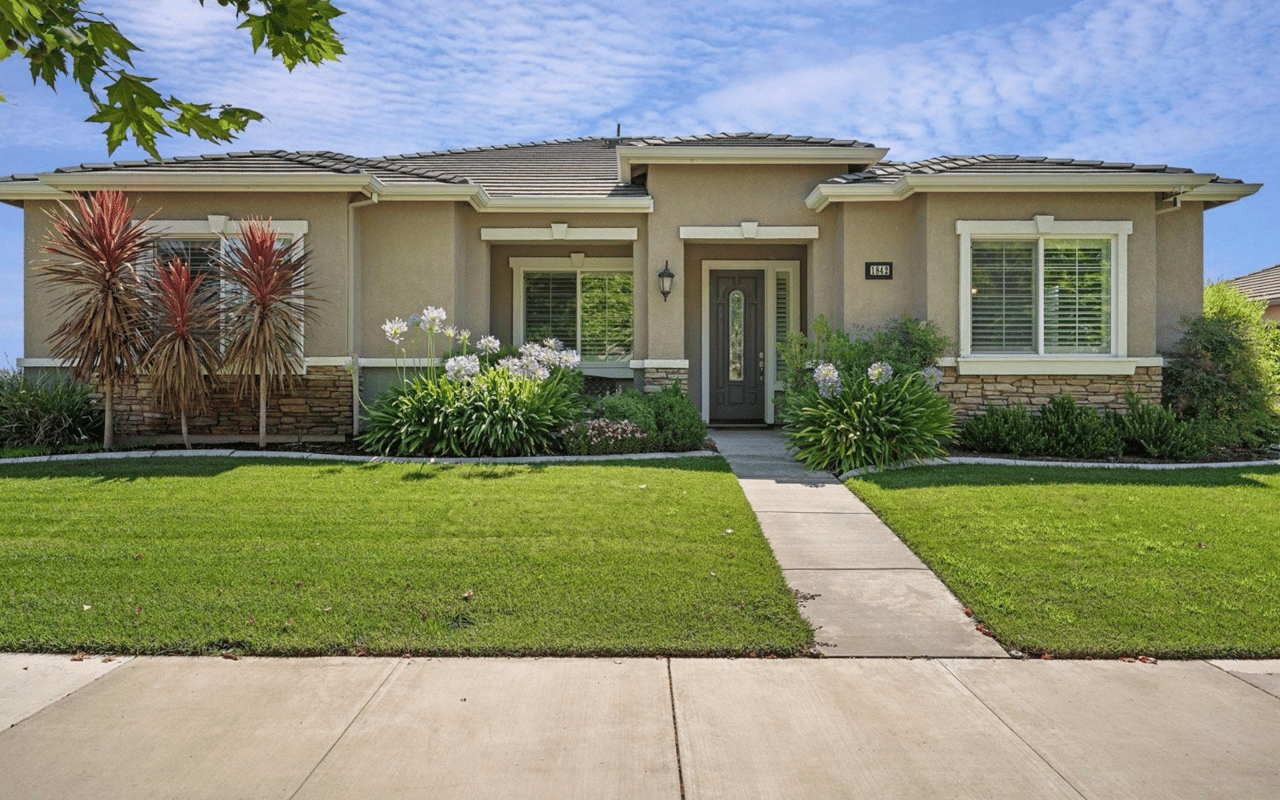
- Fit. Aligns with family-oriented renter demand for 2–4 bedroom homes. Newer builds can reduce maintenance and boost tenant appeal.
- Math. At city medians, expect gross yields around 4.5% to 5.0% depending on rent, condition, and price. Returns lean on long-term appreciation, expense control, and financing strategy.
Small multifamily (2–12 units)
- Fit. One roof and shared systems can improve operating efficiency. Professional management is often simpler than scattered SFRs.
- Math. Recent Central Valley commentary shows many deals transacting in the mid-5% to mid-6% cap-rate range. See cap-rate context in NorthMarq’s Central Valley update. Example: a 6% cap implies $60,000 in NOI per $1 million of price, before debt service.
New builds in master-planned areas
- Fit. Energy-efficient homes, often with solar under California rules, can lower tenant utility costs and reduce near-term capex.
- Watchouts. New supply competes with older SFR rentals on features and finishes. Compare HOA, Mello-Roos or special assessments, and builder warranties.
Flips and light renovations
- Fit. Works when you buy at a discount, have tight scope control, and can target a compelling retail buyer profile.
- Watchouts. With city days-to-pending often in the 40 to 60 day range in recent snapshots, carry costs matter. Underwrite exit timing, rate sensitivity, and contingency reserves.
Key risks to underwrite
- Rent-to-price ratio. Modest gross yields limit cash flow at today’s financing levels. Model downside rent and a vacancy buffer.
- Crime and neighborhood variance. City-level crime analytics point to above-average property-crime in some areas. Evaluate trends block by block using sources like NeighborhoodScout’s Manteca profile.
- Insurance. Premiums have risen across California, including the Central Valley. Budget for higher deductibles and shop carriers. See regional commentary in NorthMarq’s report.
- Property taxes. California’s Prop 13 sets a 1% base rate plus local assessments that vary by parcel. Review the basics via this Prop 13 overview, then confirm parcel specifics with the county assessor.
- Regulations. Statewide tenant protections, including the AB 1482 rent cap and just-cause rules, apply to many units. Confirm any local registration or permitting in the City’s housing element and municipal code.
- Rate sensitivity and exit risk. Returns are highly sensitive to mortgage rates. Resale values can move with regional affordability and rate cycles.
Quick due diligence checklist
- Confirm market rent with current listings and at least one local property manager. Capture expected vacancy, lease-up time, and renewal rates.
- Pull sold comps for the micro-neighborhood and check days on market plus price reductions.
- Get insurance quotes early and compare coverages and deductibles.
- Verify taxes, assessments, and HOA dues if applicable.
- Track Valley Rail milestones for the Manteca station to inform long-run assumptions using the program overview.
- Stress test for a 3 to 6 month vacancy and higher capex in year one.
Bottom line
If you want proximity to the Bay Area with Central Valley pricing, Manteca can be a smart play for long-term rentals, especially family-sized SFRs in stable pockets. Expect modest gross yields at city medians and build your thesis around disciplined buy pricing, conservative financing, and long-run demand drivers like regional rail and logistics growth. If you prefer higher going-in income, small multifamily can offer better cap rates but requires more operational focus.
Ready to explore on- and off-market options or pressure-test your numbers on a specific property? Connect with the local team that blends data, neighborhood knowledge, and white-glove execution. Start with a consultation at Levy Real Estate Group.
FAQs
What is the typical gross yield for a Manteca single-family rental?
- Using city-level inputs from early 2026, gross yields often pencil around 4.5% to 5.0% at median prices and average rents, before expenses and debt service.
How tight is the rental market in Manteca today?
- City planning documents reference a healthy rental vacancy target of about 5% to 6%, which is consistent with moderately tight conditions for well-priced homes.
What catalysts could lift Manteca rents and prices over time?
- Planned Valley Rail improvements that include a Manteca station and ongoing Central Valley logistics growth can support demand over a multi-year horizon.
Which property type offers higher income at purchase in Manteca?
- Small multifamily (2–12 units) often trades at mid-5% to mid-6% cap rates in the Central Valley, higher than many stabilized SFRs at city medians.
What risks should Bay Area investors model before buying in Manteca?
- Lower rent-to-price ratios, potential crime variation by area, rising insurance costs, property taxes and statewide tenant rules, rate sensitivity, and resale timing.