Choosing between downtown and suburban Livermore is not just about where you live. It is about how you want your days to feel. If you are trying to decide between walkable convenience and a little more breathing room, Livermore gives you both, and this guide will help you sort out which lifestyle fits you best. Let’s dive in.
Why Livermore Creates a Real Choice
Livermore stands apart because it blends two very different settings in one city. The city describes itself as the easternmost city in the Bay Area and California’s oldest wine region, with a mild climate and a setting framed by wineries, farmland, and ranches.
That mix creates a meaningful decision for buyers. On one side, you have a downtown core built around activity, dining, and pedestrian access. On the other, you have neighborhoods and edge-of-city areas that feel more residential, open, and closely tied to trails, vineyards, and natural surroundings.
Downtown Livermore at a Glance
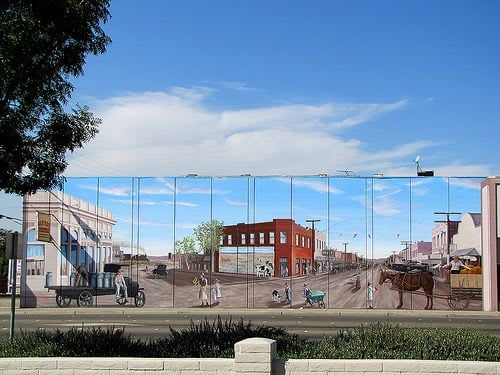
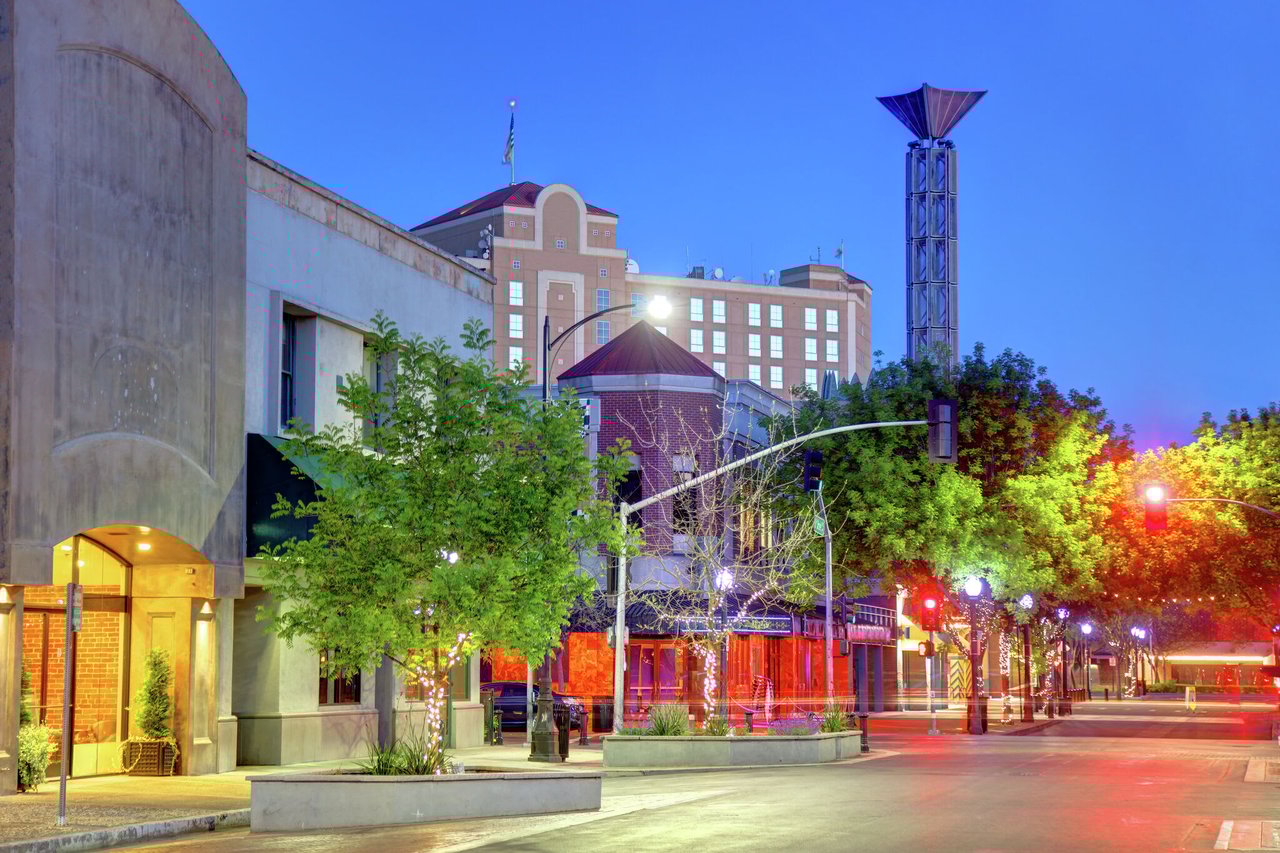
Downtown Livermore is designed to be the community’s center and heart. The city’s Downtown Specific Plan says the area is intended to function as a pedestrian-oriented commercial and entertainment district with office and housing uses that support that lifestyle.
If you picture yourself stepping out for coffee, dinner, live music, or an evening stroll, downtown is the clearest fit. The city highlights shade-lined streets, shopping, performing arts, movie outings, dining in a historic setting, weekly farmers market activity, and live outdoor music during the summer.
What daily life feels like downtown
Downtown offers a more immediate lifestyle. You are closer to the places people visit for events, meals, and social time, which can make everyday routines feel more connected and flexible.
It also continues to evolve as an amenity hub. City projects are adding more restaurant and retail space, which reinforces downtown’s role as Livermore’s most concentrated area for day-to-day activity.
What housing looks like downtown
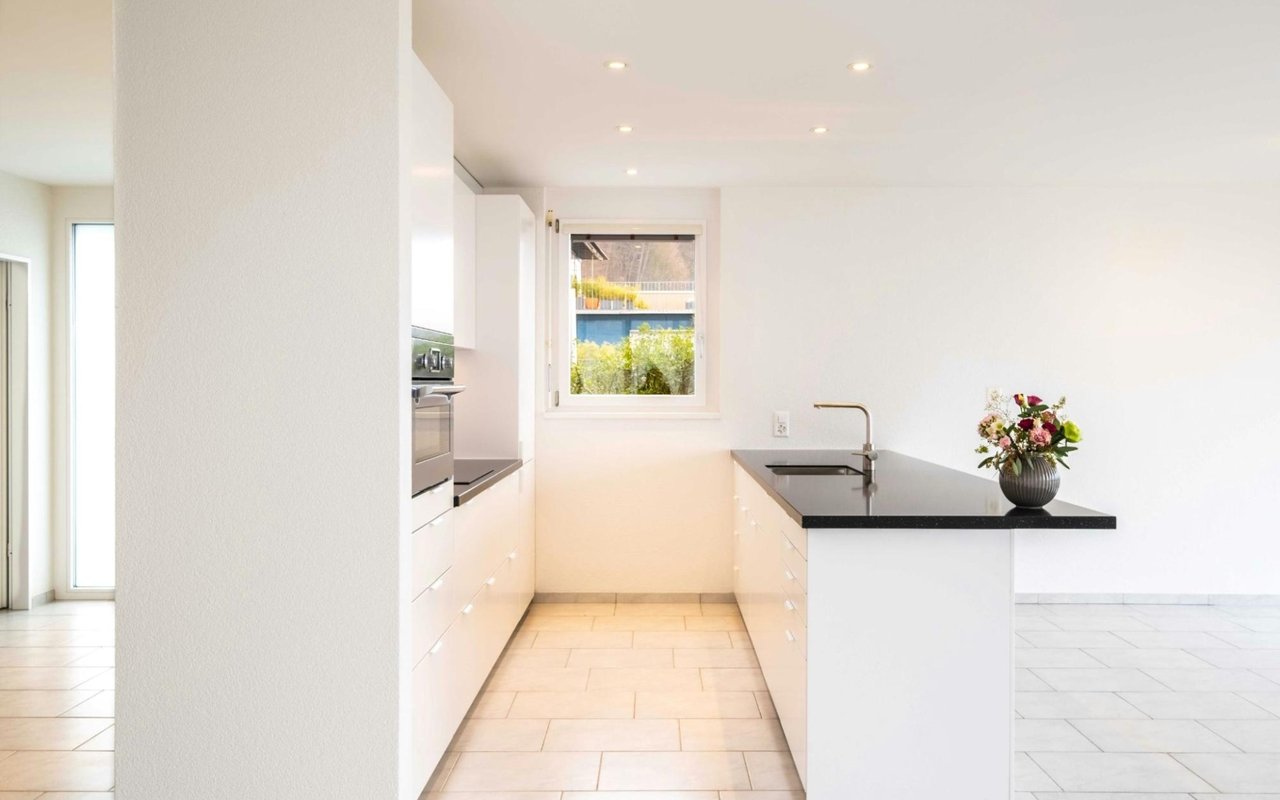
If your idea of home includes lower-maintenance living, downtown deserves a close look. Current housing examples in the core include mixed-use and apartment-style formats rather than a primarily detached-home environment.
One example the city cites is a 130-unit affordable apartment development with one-, two-, and three-bedroom homes in two four-story buildings. That does not mean every downtown option looks the same, but it does show the general pattern: downtown living tends to align more with attached or mixed-use housing than with large-lot single-family homes.
Why downtown appeals to some buyers
Downtown is often the better match if you value:
- Walkability for errands and outings
- Dining, entertainment, and event access
- A more social, active atmosphere
- Lower-maintenance housing options
- Transit connections in addition to driving
Suburban Livermore at a Glance
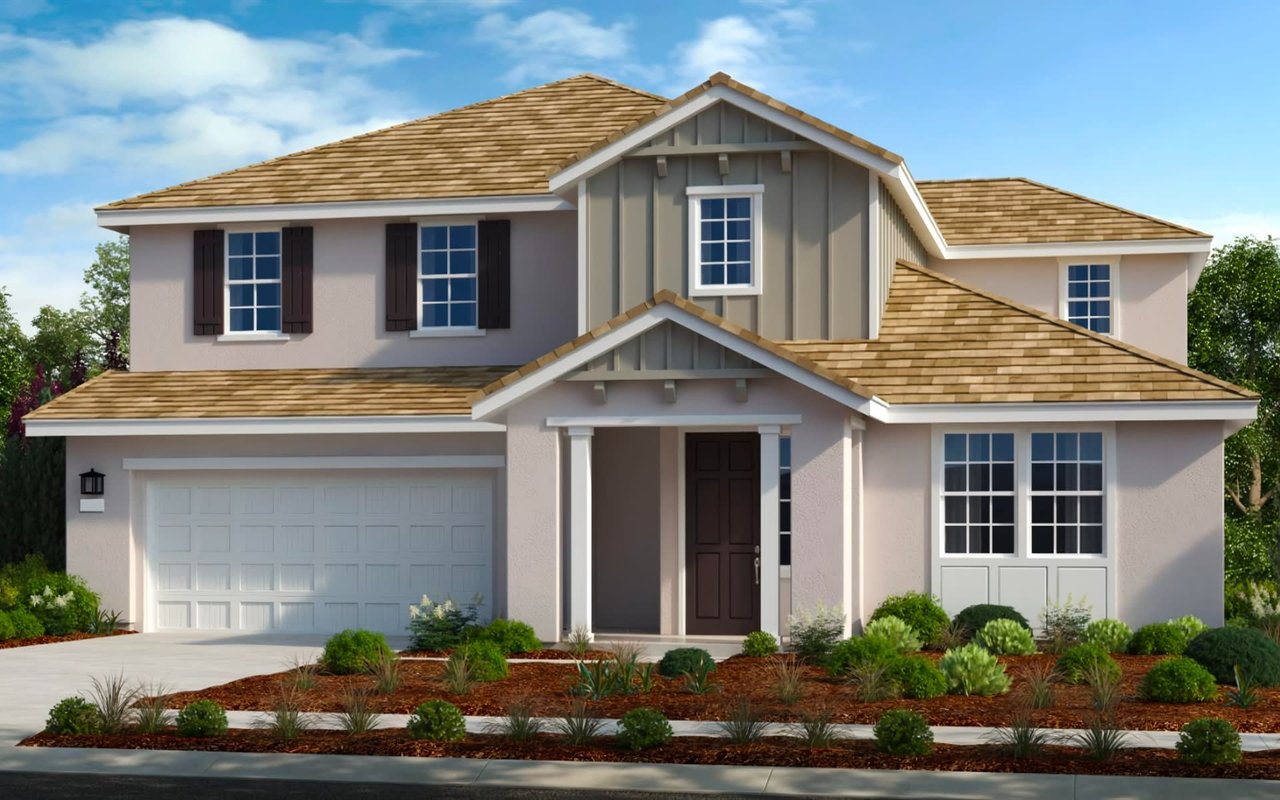
Suburban Livermore is not one single housing type or lifestyle. In fact, one of the most helpful things to understand is that newer neighborhoods can still include a mix of townhomes, duplexes, apartments, parks, plazas, and local-serving retail.
That means “suburban” does not always mean the same thing in Livermore. Some areas are planned for a more compact neighborhood feel, while others offer a clearer shift toward larger homes, larger lots, and a less urban setting.
Mixed-use suburban neighborhoods
Projects like Isabel Crossing and Cornerstone show how varied suburban Livermore can be. Isabel Crossing includes for-sale townhomes, duplexes, and mid-rise rental apartments, plus Main Street retail and dining space, a neighborhood park, and public plaza space.
Cornerstone also mixes housing types, with for-sale townhomes, rental apartments, parks, and trail space. So if you want a neighborhood environment without living in the downtown core, these types of communities may offer a middle ground.
Hillside and edge-of-city living
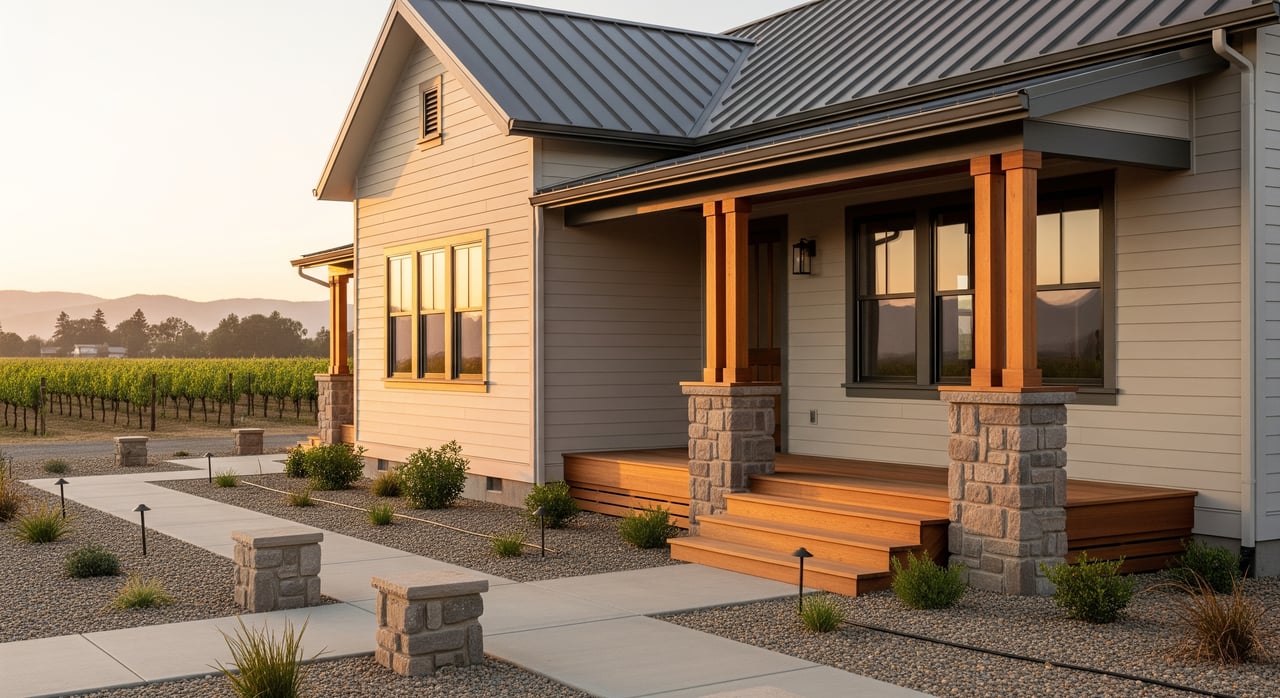
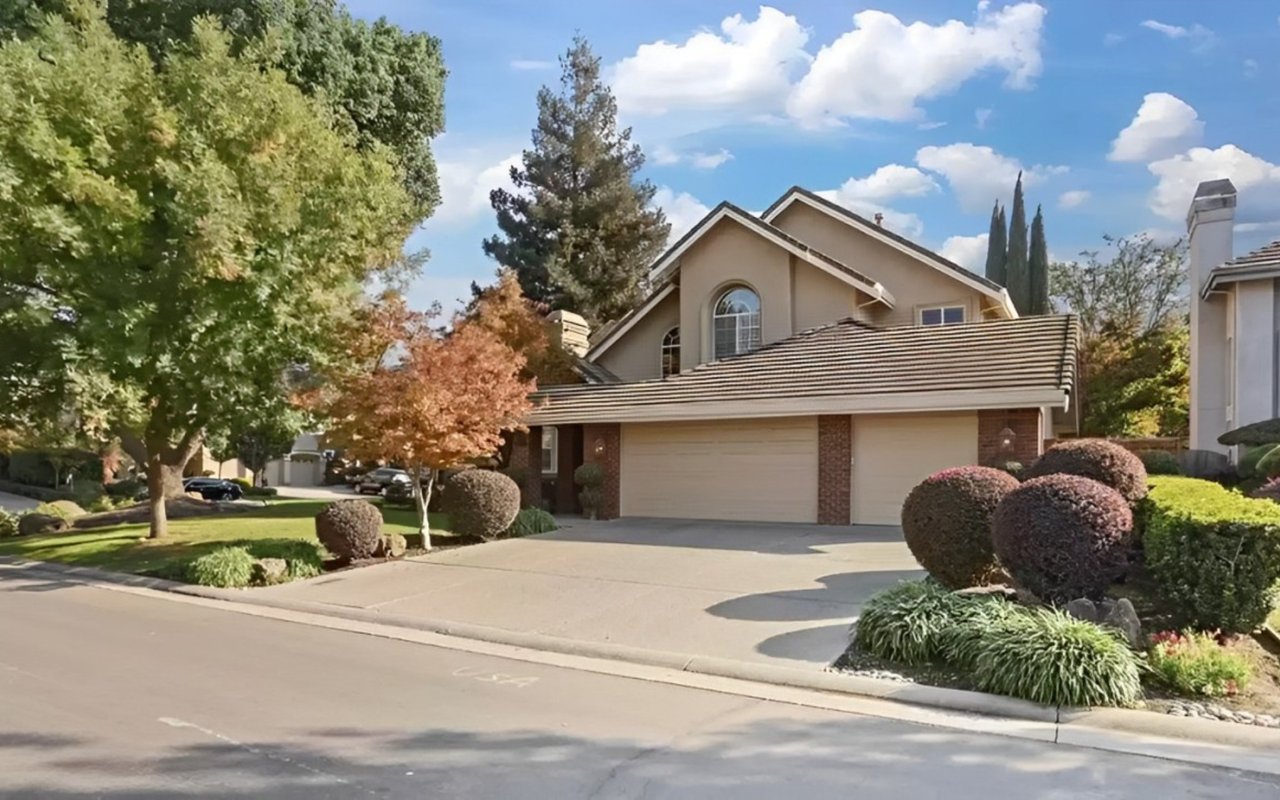
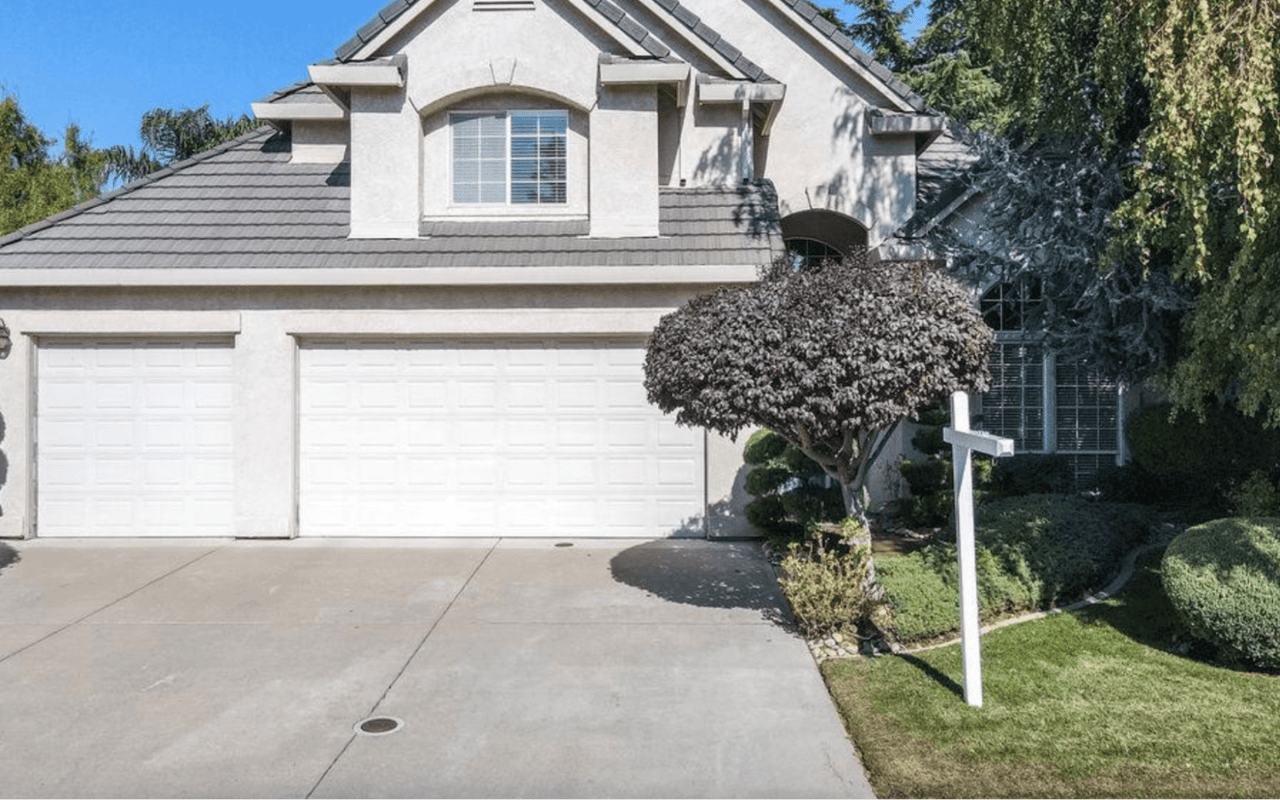
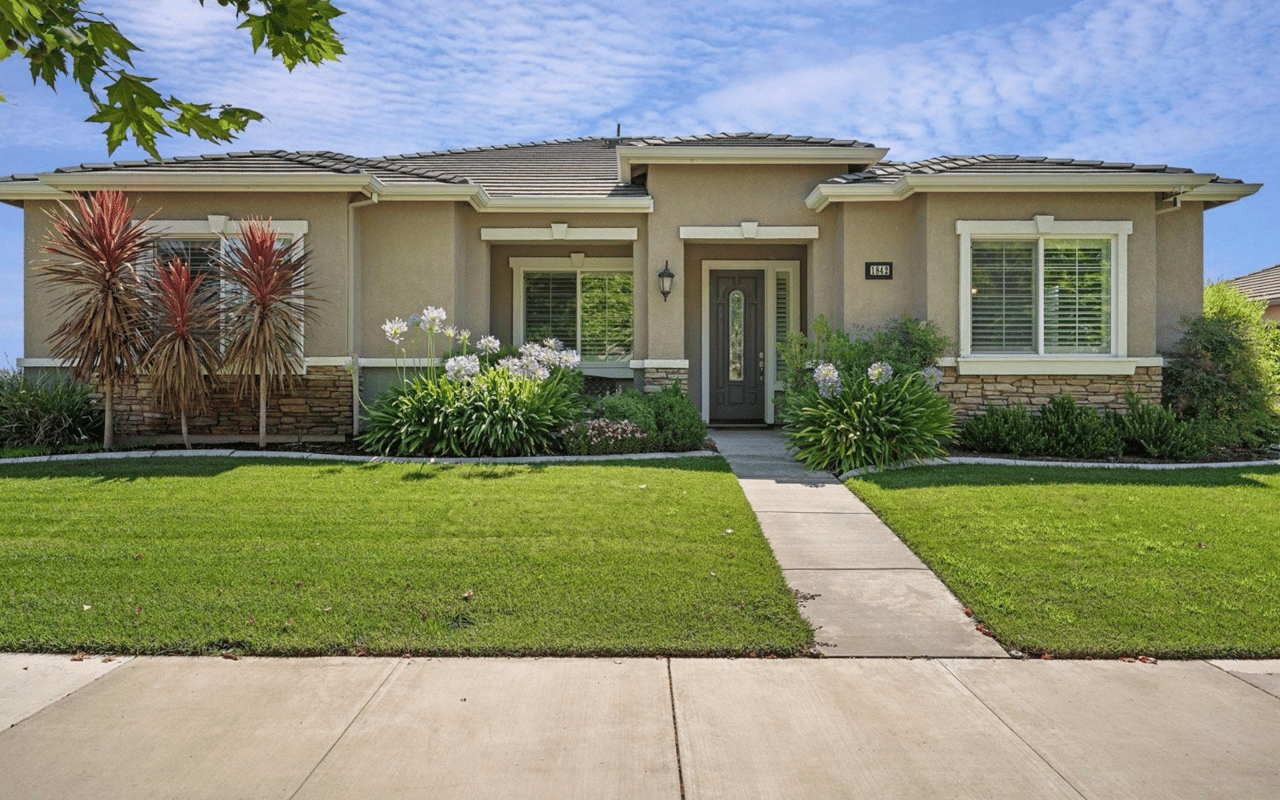
If you are looking for more space, privacy, and a setting that feels farther from storefronts, edge-of-city neighborhoods may be the better fit. Garaventa Hills is a strong example, with detached single-family lots ranging from 8,740 to 13,160 square feet and homes of about 2,390 to 3,150 square feet.
The area also includes undeveloped knolls, informal public-access trails, and vista views. Add in the South Livermore Valley planning emphasis on agricultural and natural-resource conservation, and it becomes easier to see why the southern and hillside edges can feel more open and less urban than downtown.
Why suburban Livermore appeals to some buyers
Suburban and hillside areas are often the better match if you value:
- Larger homes or lot sizes
- More privacy between homes
- A calmer residential street pattern
- Closer access to open space
- A setting that feels more tied to vineyards and rural edges
Commute and Errands Matter More Than You Think
Lifestyle is important, but so is how your home supports your weekday routine. Livermore’s primary freeway is I-580, and the city also notes access to I-680 and Route 84 for trips toward San Jose.
Downtown has an added transit advantage. The ACE rail station is near the Livermore Transit Center, where Wheels bus connections are available, and ACE provides weekday service through Livermore.
Downtown for walkability and transit
If you want more than one way to get around, downtown has a practical edge. You are more likely to benefit from a walk-and-transit pattern there, especially if you like the idea of combining errands, dining, and commuting options in one area.
Suburban areas for car-based convenience
Suburban and hillside living is usually more car-oriented. For many buyers, that is not a downside. It can pair well with freeway access, larger garages, and residential streets that feel less busy and more removed from the downtown core.
Outdoor Access Changes the Equation
One of the biggest differences between downtown and suburban Livermore shows up on weekends. If your ideal Saturday starts with brunch and ends with live music, downtown may feel like the natural choice.
If your ideal weekend includes trail access, open space, or a more rural-feeling landscape, suburban or hillside Livermore may line up better with how you actually spend your time.
Open space near Livermore
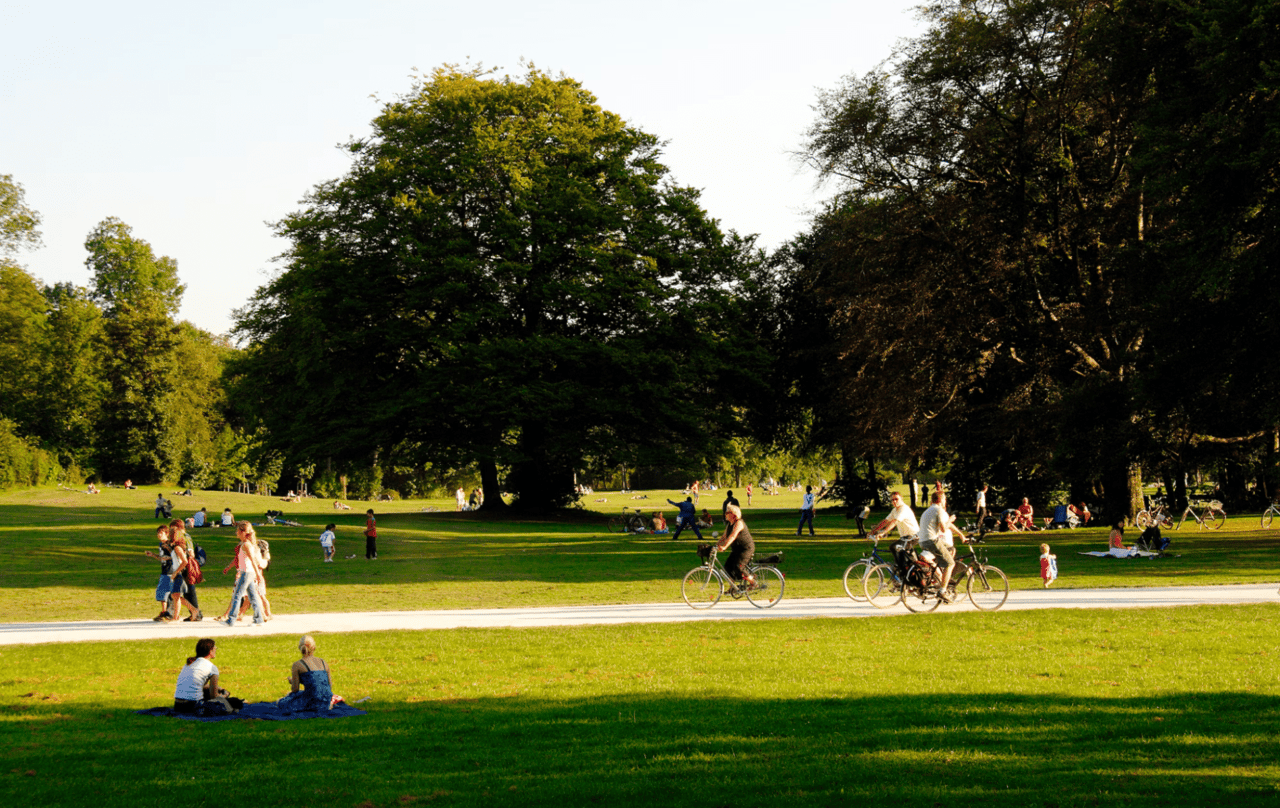
Livermore has a strong recreation network that includes sidewalks, multi-use paths, and bike lanes. South Livermore in particular connects well with the city’s outdoor identity.
Sycamore Grove Park covers 847 acres in south Livermore. Del Valle Regional Park, about 10 miles south of the city, spans 4,395 acres and offers hiking, horseback riding, boating, swimming, and camping.
Wine-country access in both settings
Downtown still keeps you close to Livermore’s wine identity. The city says there are more than 45 wineries in town, and downtown can offer an easy route to dinners, tasting rooms, and event nights without requiring you to live along the wine-country edge.
That said, neighborhoods closer to the southern edge may give you a stronger sense of open landscape and vineyard-adjacent scenery. So the choice is not whether you get wine-country access. It is whether you want that access paired more with urban convenience or with space and scenery.
The Real Decision: Immediacy or Space
The most useful way to think about this decision is not “city versus suburb.” In Livermore, the better framing is immediacy versus space.
Downtown gives you immediacy. You are closer to restaurants, events, transit, and a pedestrian-oriented environment, and that can make life feel simple and connected.
Suburban and hillside Livermore give you space. You may gain a larger home, a larger lot, more privacy, and easier access to open landscapes and trails.
Questions to Ask Before You Choose
Before you decide, ask yourself a few honest questions about how you live now and how you want to live next.
Ask yourself these lifestyle questions
- Do you want to walk to dining, events, or weekly activities?
- Would you rather have lower-maintenance housing or more square footage and yard space?
- Is transit access important, or do you expect to drive most places?
- Do you picture your free time in town or outdoors?
- Do you want your home to feel closer to the community core or closer to open space?
Your answers usually make the direction clearer. When you know whether you value convenience or breathing room more, the right part of Livermore starts to stand out.
If you want help narrowing down the right fit in Livermore, Levy Real Estate Group can guide you through the options with a tailored, white-glove approach.
FAQs
Is downtown Livermore more walkable than suburban Livermore?
- Yes. Downtown Livermore is the city’s pedestrian-oriented commercial and entertainment district, so it is generally the strongest choice for walkability, dining, events, and daily convenience.
What types of homes are common in downtown Livermore?
- Downtown Livermore tends to feature more attached, apartment-style, and mixed-use housing rather than a primarily detached-home environment.
Are suburban Livermore neighborhoods all single-family home areas?
- No. Some suburban Livermore neighborhoods include townhomes, duplexes, apartments, parks, plazas, and retail, so the housing mix can be more varied than many buyers expect.
Which Livermore areas offer more space and privacy?
- Edge-of-city and hillside areas in Livermore usually offer more privacy, larger lots, and a setting that feels closer to open space and vineyard-edge scenery.
Is downtown Livermore better for commuting without driving?
- Downtown Livermore has the strongest transit advantage because it is near the ACE rail station and the Livermore Transit Center with Wheels bus connections.
Which part of Livermore is better for trails and outdoor recreation?
- Suburban and south-edge areas of Livermore are often the better fit if you want quicker access to open space, trails, and parks like Sycamore Grove Park and Del Valle Regional Park.